
Published by Dr. Pazhaniyappan BSMS
Facing diabetes at the age of twenty-eight can feel unexpected and overwhelming. Many young adults believe that diabetes is manageable with tablets and lifestyle adjustments, but what happens when the condition silently progresses into multi-organ stress? This guide presents a real clinical narrative, explains diabetes from both modern and Siddha perspectives, and highlights how Siddha medicine can offer a deeper, system-level approach to healing and reversal.
Introduction
Diabetes Mellitus is no longer a disease of old age. Increasingly, young individuals in their twenties and thirties are being diagnosed due to lifestyle patterns, stress, and metabolic imbalance. While conventional medicine focuses on controlling blood glucose levels, many patients continue to experience progressive complications affecting the kidneys, liver, blood vessels, and overall vitality.
In Siddha medicine, this condition is understood not merely as elevated blood sugar, but as a systemic disorder affecting multiple layers of the body. This article explores how Siddha treatment addresses the root cause of Neerizhivu and demonstrates its effectiveness through a real patient journey.
Understanding the Early Warning Signs
At twenty-eight, he was active, ambitious, and constantly engaged in work and social life. His diabetes diagnosis did not initially alarm him. Like many, he relied on medications to keep sugar levels under control while continuing habits such as irregular eating, alcohol consumption, and smoking.
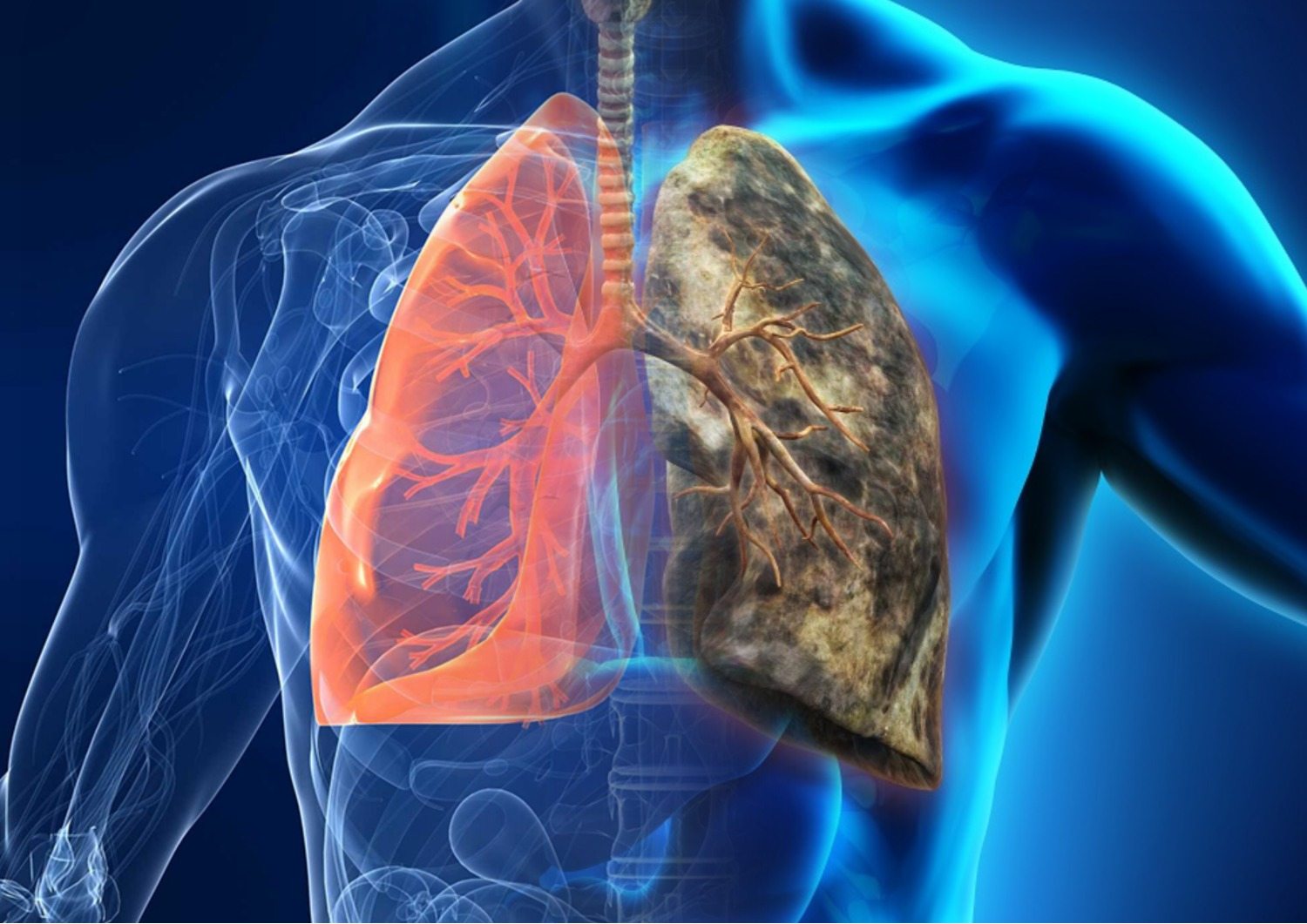
The body, however, began to signal distress. A persistent dry cough appeared without clear cause. Swelling developed in his feet, making even simple movements uncomfortable. Sleep became disturbed due to wheezing, and fatigue lingered throughout the day. What seemed like minor symptoms gradually evolved into a deeper systemic disturbance.
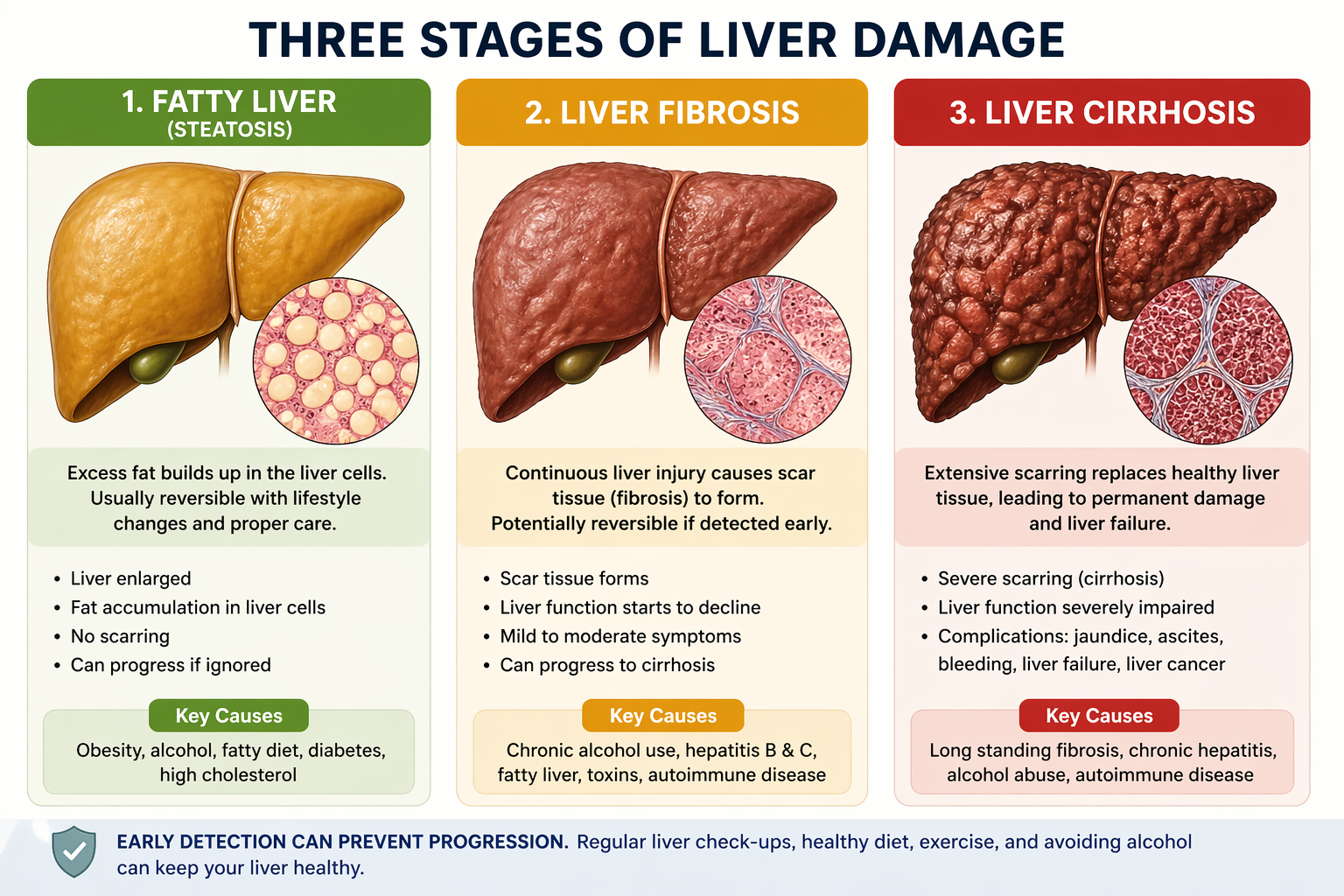
Laboratory investigations revealed a concerning picture. Elevated white blood cell count suggested inflammation, increased D-dimer indicated thrombo-inflammatory activity, and raised urea and creatinine pointed toward renal stress. Liver enzymes were significantly elevated, reflecting hepatic dysfunction. At a young age, his body was already under multi-system strain.
Understanding Diabetes: Modern vs Siddha Perspective
In modern medicine, Diabetes Mellitus is defined as chronic hyperglycemia resulting from impaired insulin secretion or action. Over time, it leads to complications affecting the cardiovascular system, kidneys, liver, and nerves.
In Siddha medicine, the condition is described as Neerizhivu or Madhumegam, classified under Mega Noigal. Classical texts such as Yugi Vaithiya Cinthamani 800 and Agathiyar Kanma Kandam explain that this is not merely a sugar disorder but a systemic imbalance involving Mukkutram (Vatha, Pitha, Kapha), derangement of Udal Thathukkal, impaired digestive fire (Agni), and accumulation of metabolic toxins.
In this patient, Siddha diagnosis revealed Kabha–Pitha predominance with secondary Vatha disturbance. Digestive impairment had led to metabolic stagnation, affecting blood tissue, fat metabolism, and vital essence. The disease was deeply rooted, requiring a holistic correction rather than symptomatic control.


Why Siddha Treatment Was Chosen
As symptoms worsened and fear deepened, the patient reached out for a different path—one that addressed not just the disease, but the system behind it. He was guided toward Rathna Siddha Research Hospital, a center known for its structured inpatient Siddha care and traditional therapeutic expertise.
Here, the approach was not to suppress sugar levels alone, but to understand the body’s imbalance and restore it from within.
Siddha Treatment Approach: A Multi-System Restoration
At Rathna Siddha Research Hospital, the patient underwent a carefully designed Siddha inpatient treatment protocol. The aim was clear: restore equilibrium, cleanse metabolic pathways, and rebuild systemic strength.
Internal medicines such as Kashayam and Chooranam formulations were administered to detoxify the gastrointestinal system, regulate lipid metabolism, and reduce inflammatory load. Therapeutic detoxification supported liver and kidney function, while a strict Pathiyam diet rekindled digestive fire and prevented further toxin accumulation.
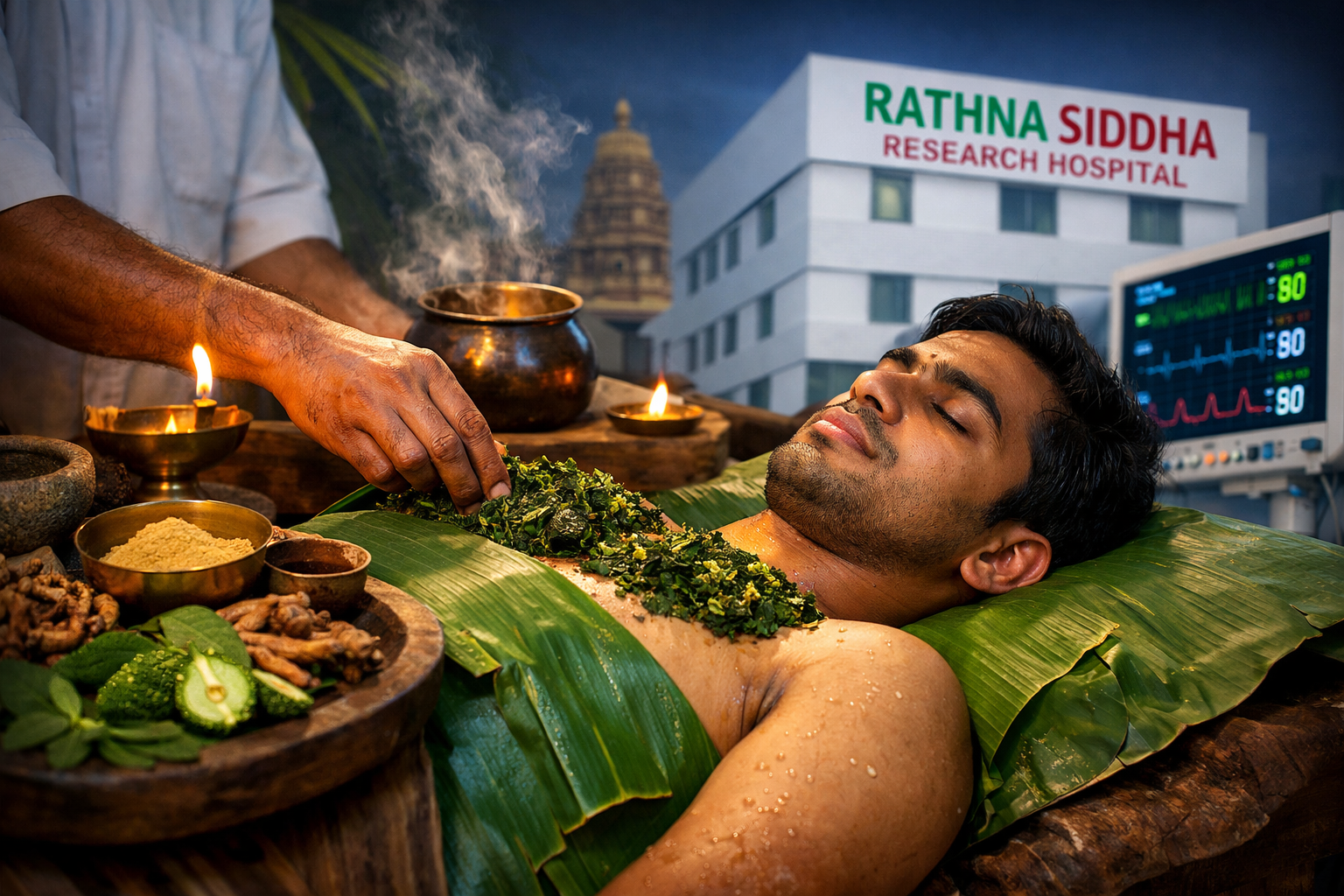
External therapies enhanced the depth of healing. Vaazhai Ilai Snaanai (banana leaf therapy) improved circulation and promoted detoxification through induced sweating. Meethi Sigichai, using neem and bitter gourd leaves, helped reduce Kabha dominance and inflammatory swelling.
This was not symptomatic management—it was systemic correction.
Clinical Response and Early Recovery
Within three days, the body began to respond. Sleep became deeper and uninterrupted. Swelling in the feet reduced noticeably. Appetite returned, and fatigue began to fade. There was a sense of internal lightness—a sign that the body was moving back toward balance.
Objective Evidence of Improvement
Laboratory parameters reflected the internal transformation. White blood cell count reduced significantly, indicating decreased inflammation. D-dimer levels declined, suggesting reduced thrombo-inflammatory activity. Urea levels improved, pointing toward better renal function, while liver enzymes showed marked reduction, reflecting hepatic recovery.
This was not temporary relief. It was measurable systemic stabilization.
How Siddha Treatment Differs from Conventional Management
The distinction lies in intent. Conventional medicine focuses on controlling blood glucose and preventing acute complications. Siddha medicine goes deeper—restoring digestive strength, balancing Mukkutram, and stabilizing the body’s fundamental tissues.
By addressing root causes rather than symptoms, Siddha reduces disease progression and supports long-term recovery. It treats not just diabetes, but the internal environment that allows diabetes to exist.
Long-Term Benefits of Siddha in Diabetes Management
With continued Siddha care, patients often experience improved metabolic efficiency, reduced inflammation, enhanced immunity, and better energy levels. The dependence on long-term medication may reduce under proper guidance, and recurrence of complications can be minimized.
Equally important is the emphasis on lifestyle discipline, dietary balance, and mental stability, ensuring that healing is sustained beyond treatment.
When to Consider Siddha Treatment
Siddha medicine is particularly effective in early-stage diabetes, metabolic disorders, and cases where conventional management fails to prevent progression. It is ideal for patients seeking a holistic, root-cause-based approach.
In emergencies, however, modern medical care remains essential. Siddha can then play a crucial role in recovery and long-term stabilization.
Conclusion: From Fear to Restoration
At twenty-eight, he entered treatment with fear. Fear of complications. Fear of irreversible damage. Fear of losing control over his health.
At Rathna Siddha Research Hospital, he was not treated as a number or a diagnosis. He was treated as a whole system.
Through restoring digestive fire, balancing internal energies, and supporting organ recovery, Siddha medicine transformed his condition. His reports improved—but more importantly, his confidence returned.
Siddha was not an alternative in this journey.
It was the turning force that restored balance, strength, and hope.
References
Yugi Vaithiya Cinthamani 800
Agathiyar Kanma Kandam
Central Council for Research in Siddha