

When Fever Has No Name:
Understanding Pyrexia of Unknown Through Siddha Medicine
A science-focused conversation with Dr. V. Pazhaniyappan, BSMS, Rathna Siddha Hospital
UPDATED: Feb 1, 2026 21:20 IST
The Modern Medical Puzzle of Persistent Fever
Fever is usually the body’s clear signal that something is wrong—and just as often, modern medicine is quick to find the cause. Infections, inflammatory disorders, malignancies, and autoimmune diseases can all be traced through laboratory investigations and imaging. Yet there exists a category of fever that defies this logic. Known as Pyrexia of Unknown Origin (P.U.O.), it is defined as a body temperature exceeding 38.3°C for more than three weeks without a definitive diagnosis, even after extensive testing.
For patients, P.U.O. is not just a clinical label but an exhausting experience marked by uncertainty. Repeated hospital visits, normal reports, and unresolved symptoms often lead to frustration and anxiety. From a biomedical perspective, P.U.O. represents the limits of detection—where pathology does not manifest as a measurable abnormality.
But is the disease truly “unknown,” or is it simply unrecognized by current diagnostic frameworks?
This question opens the door to traditional medical systems, particularly Siddha medicine, which approaches fever not as an isolated symptom but as a meaningful physiological process. To understand this alternative perspective, we turn to Dr. V. Pazhaniyappan, BSMS, Siddha physician at Rathna Siddha Hospital, who has managed numerous cases of prolonged and unexplained fever.
When asked Dr. Pazhaniyappan explains:
“In Siddha, we do not consider P.U.O. as a disease without a cause. We see it as a fever whose natural pathway has been interrupted.”
This statement highlights a fundamental difference. Modern medicine asks what causes the fever. Siddha medicine asks why the fever did not resolve.
SiddhaInterpretationof Fever
According to Siddha physiology, fever (Suram)is not merely a symptom to be suppressed but a corrective response generated by internal imbalance, especially involving Pitham, the principle governing heat and metabolism. Fever is viewed as the body’s effort to expel disturbed energy and toxins.
Problems arise, Siddha practitioners believe, when fever is suppressed too early or too aggressively.
“Today, fever is often controlled from the first day with strong medicines,” says Dr. Pazhaniyappan.
“This may reduce temperature, but it can prevent the disease from leaving the body.”
Classical Siddha texts describe this phenomenon as AntarmukhiSuram, meaning “internalized fever.” In this state, fever no longer expresses itself clearly through high temperature alone. Instead, it becomes chronic, fluctuating, and difficult to diagnose—closely resembling what modern medicine calls P.U.O.
One of the reasons laboratory tests appear normal in such patients is that the imbalance is functional rather than structural. There may be no infection, tumor, or inflammation detectable by scans or blood markers. Instead, the disturbance lies in digestion, heat regulation, and energy flow—areas central to Siddha diagnosis but peripheral in conventional testing.
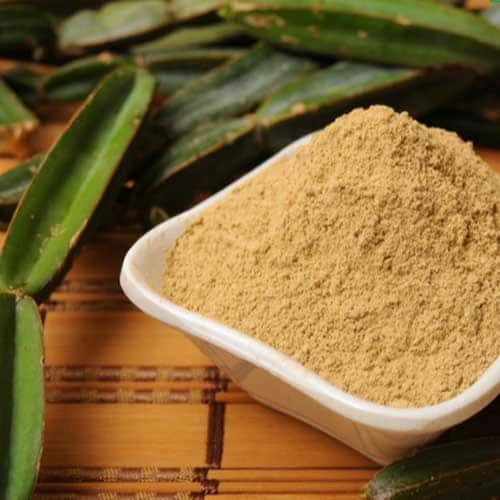
Treatment, therefore, focuses on completing the fever process rather than fighting it. Siddha medicine emphasizes rest, light diet, avoidance of cold exposure, and herbal formulations that gently regulate internal heat. Among these, Seenthil (Tinosporacordifolia) is widely used for its ability to support immune balance without abruptly suppressing fever.
“Seenthil helps the body resolve fever naturally,” Dr. Pazhaniyappan notes.
“It supports healing instead of blocking it.”
Formulations such as JwaradiYogam are also prescribed in recurrent or long-standing fevers, particularly when patients experience weakness or digestive impairment. These therapies aim to restore harmony among the three humors, allowing the body to complete what it had begun.
Conclusion
Pyrexia of Unknown Origin stands at the crossroads of modern diagnostics and traditional wisdom. While allopathic medicine excels in identifying visible disease, Siddha medicine offers insight into invisible imbalance. Rather than contradicting each other, these perspectives can be complementary—especially in chronic conditions where certainty is elusive.
P.U.O. reminds us that not all illnesses announce themselves through abnormal reports. Some speak through persistence, pattern, and process. Listening to these signals may require not only better technology, but broader medical understanding.