
Dr. Pazhaniyappan, BSMS
Rathna Siddha Hospital, Tamil Nadu, India
He had been living with diabetes and hypertension for years. Like many patients, he believed that controlling blood sugar and taking tablets would be enough. But gradually, his body began telling a different story.
The swelling in his feet became difficult to ignore. Nights were interrupted by dry cough and wheezing. Sleep disappeared. Fatigue drained his energy. His appetite declined. Anxiety grew stronger with every passing day. He constantly worried about his worsening health and elevated cholesterol. His mind was consumed by fear.
The investigations brought even more disturbing news.
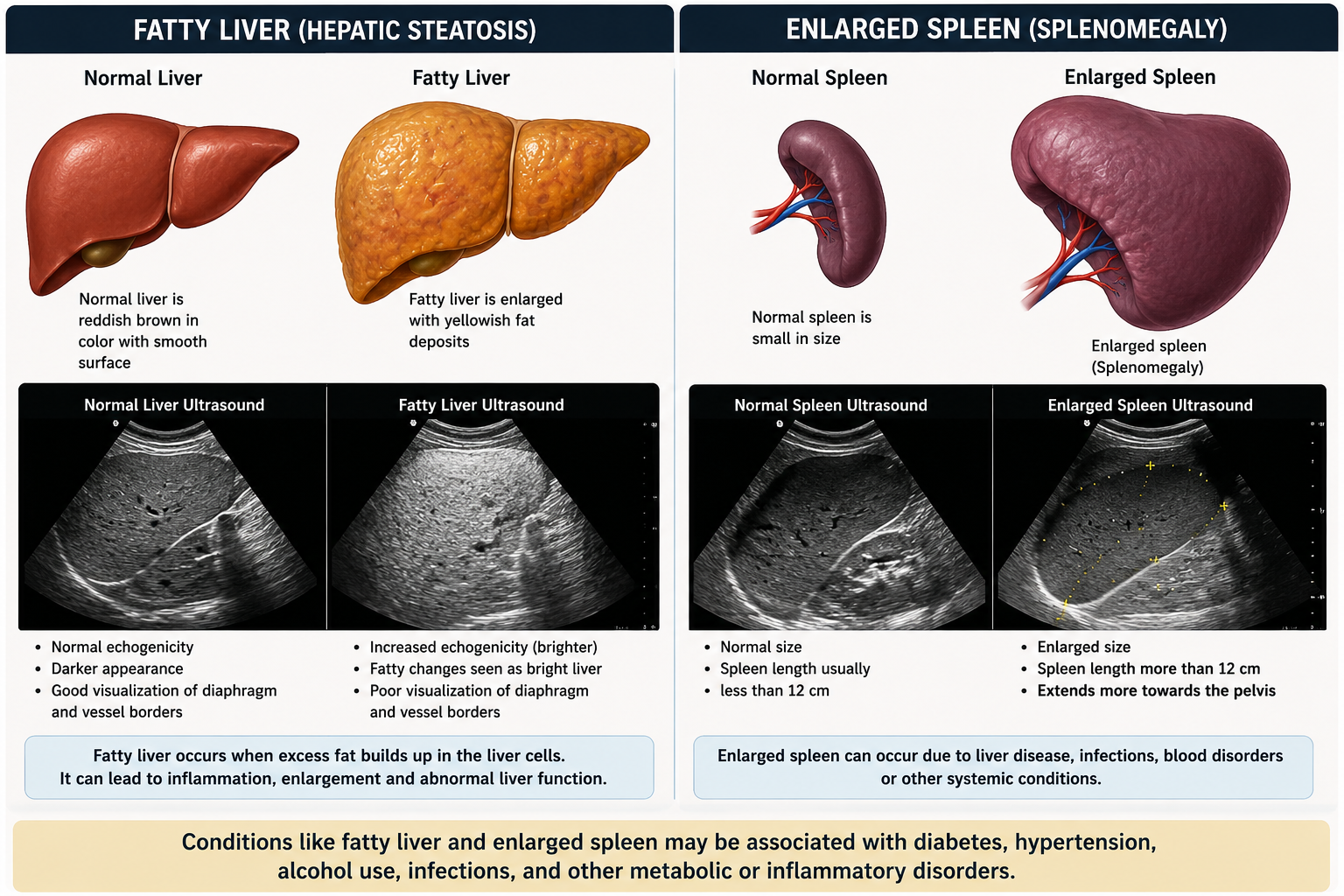
Ultrasonography revealed hepatosplenomegaly—both the liver and spleen had enlarged. Fatty liver changes were evident. His ferritin level was elevated at 255 ng/mL, suggesting ongoing inflammatory activity. He was already a known case of Type 2 Diabetes Mellitus and hypertension, with a history of alcohol consumption and smoking. The biochemical profile demonstrated evidence of systemic inflammation, renal dysfunction, and hepatobiliary stress. White blood cell count measured 13,030/µL. D-dimer reached 2,487 ng/mL. Blood urea rose to 84 mg/dL. Serum creatinine was 1.6 mg/dL. Liver enzymes were markedly elevated, with alkaline phosphatase at 286 U/L and Gamma-Glutamyl Transferase at 401 U/L, reflecting significant metabolic overload and liver involvement.
Physically, he was exhausted.
Mentally, he feared that his condition was slowly progressing beyond control.
At Rathna Siddha Hospital, Chennai, physicians approached the illness not merely as diabetes, but as Neerizhivu with multisystem involvement, characterized by derangement of Kabham and Pitham with secondary Vatha involvement and disturbances affecting Saaram, Senneer, and Kozhuppu.
An integrated Siddha treatment protocol was initiated with the objective of restoring humoral equilibrium and improving metabolic stability.
During the initial phase, internal herbal juices and medicines were administered to improve digestive function, eliminate accumulated pathological metabolites, and support organ function. Subsequent therapies focused on metabolic correction and long-term stabilization.
External therapies formed an important part of management.
Meethi Sigichai, involving the application of medicinal leaves including neem (Azadirachta indica) and bitter gourd (Momordica charantia), was performed to alleviate inflammatory manifestations and reduce swelling. These plants are known to possess antioxidant and anti-inflammatory phytochemicals.
Varmam therapy and therapeutic massage were employed to improve circulation, relieve discomfort, and restore physiological balance. In addition, Vazhai Ilai Kuliyal (banana leaf bath) induced controlled perspiration and relaxation, helping improve sleep quality and reduce fatigue.
Dietary regulation (Pathiyam) included traditional rice varieties, millets, legumes, medicinal greens, vegetables, banana stem, banana flower, and fermented foods rich in antioxidants and phytochemicals capable of supporting metabolic health.
Gradually, the changes became visible.
The pedal edema subsided.
The heaviness in his legs reduced.
His appetite improved.
Sleep returned.
Fatigue decreased.
The anxiety that had haunted him for weeks began to disappear.
Follow-up investigations reflected the clinical improvement. White blood cell count decreased from 13,030/µL to 9,190/µL. D-dimer declined from 2,487 ng/mL to 1,551 ng/mL. Blood urea reduced from 84 mg/dL to 41 mg/dL. Alkaline phosphatase improved from 286 U/L to 207 U/L, while Gamma-Glutamyl Transferase decreased remarkably from 401 U/L to 234 U/L. Renal function remained stable during follow-up.
For the patient, recovery was not measured by laboratory numbers alone.
It meant sleeping peacefully again.
It meant waking up without fear.
It meant seeing hope where there had once been anxiety.
The successful outcome observed in this case suggests that integrated Siddha management—including internal medicines, herbal juice therapy, Meethi Sigichai, Varmam therapy, banana leaf bath, and dietary regulation—may provide complementary benefits in patients with diabetes associated with inflammatory, renal, and hepatobiliary dysfunction. However, as with any single case report, larger controlled studies are required to scientifically establish efficacy and mechanisms.
Questions Readers Often Ask
Can diabetes affect the liver and spleen?
Yes. Chronic metabolic disease may be associated with fatty liver, hepatomegaly, inflammation, and systemic complications.
Can Siddha treatment help such patients?
In this documented case, integrated Siddha management was associated with symptomatic recovery and improvement in laboratory parameters, although larger scientific studies are needed.
For Professional Consultation
Rathna Siddha Hospital
#8/18, 2nd Street, Jai Nagar, Arumbakkam, Chennai – 600106
(Opposite to Koyambedu Bus Stand)
📞 99628 12345
📞 90928 88888