
Corresponding Author: Dr. Pazhaniyappan, BSMS · Rathna Siddha Hospital, Tamil Nadu, India
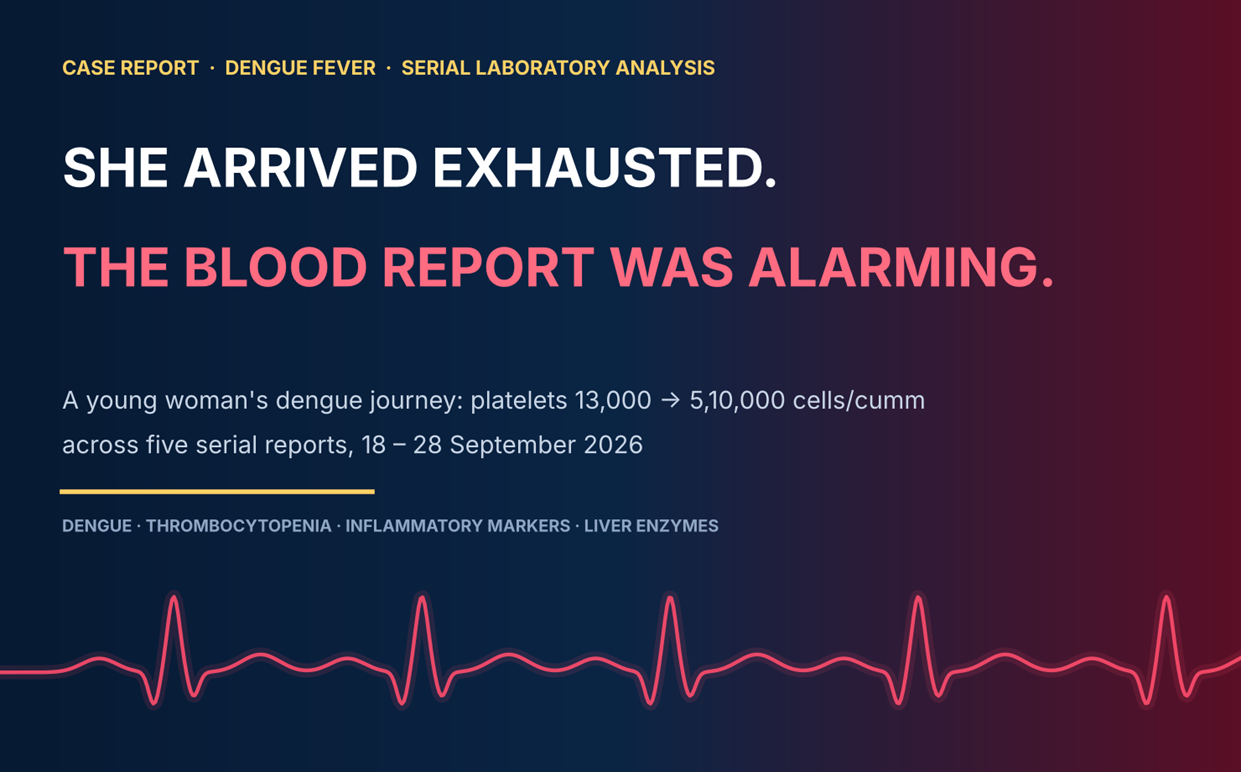
A 21-year-old’s dengue journey from severe thrombocytopenia to a Normal life
Corresponding Author: Dr. Pazhaniyappan, BSMS · Rathna Siddha Hospital, Tamil Nadu, India
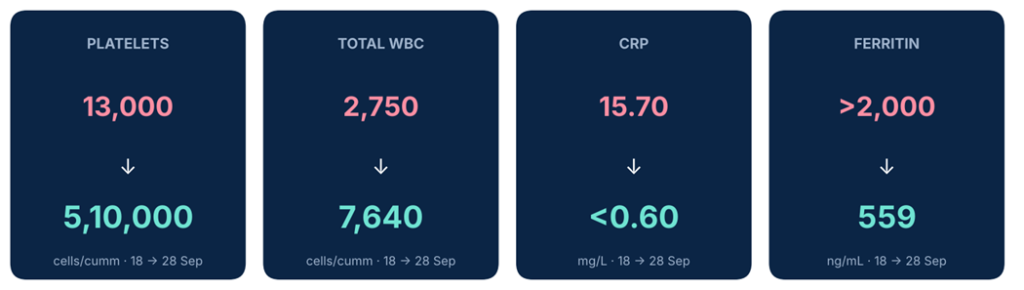
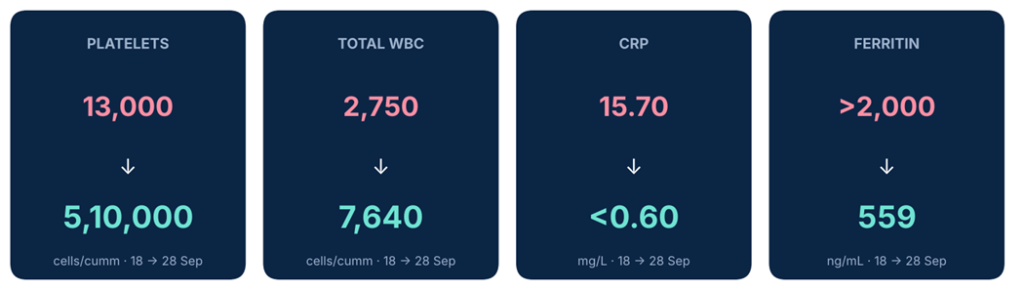
| KEY FINDINGS FROM FIVE SERIAL REPORTS Platelets rose from 13,000 to 5,10,000 cells/cumm between 18 and 28 September 2026, passing the lower reference limit (1.5 lakh) between the 21 and 23 September reports.Inflammatory markers fell: CRP 15.70 → <0.60 mg/L; ferritin >2,000 → 559 ng/mL (still above its reference interval).White cells normalised: leukopenia (2,750) resolved to 7,640 cells/cumm. |
CASE PRESENTATION
The Patient Behind the Platelet Count
“She was preparing for a government examination. Then dengue changed the question.”
At 21, her mind was focused on one goal: the government examination that was approaching. She had prepared for it, planned for it and was looking forward to the opportunity. But before she could enter the examination hall, her own body became the greatest challenge, she had to face.
Fever was followed by severe headache, body pain, joint pain, vomiting and lower abdominal pain. She also experienced bleeding and constipation. What had begun as an illness was now threatening to disrupt everything she had been preparing for.
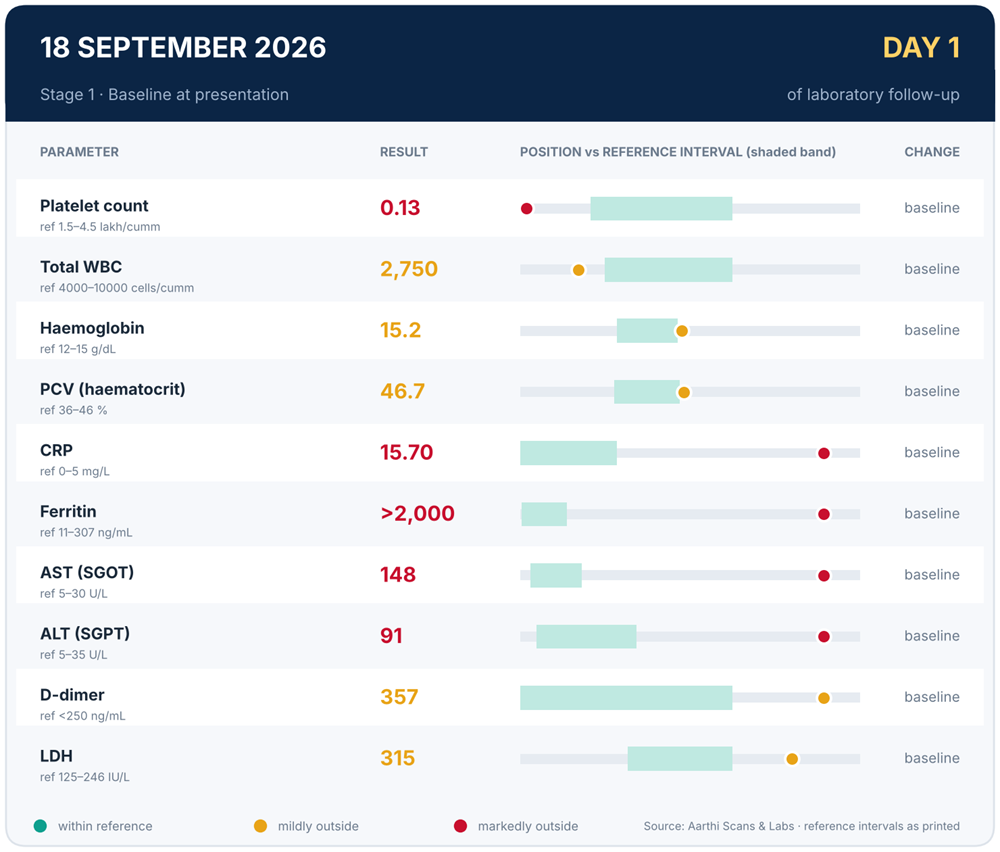
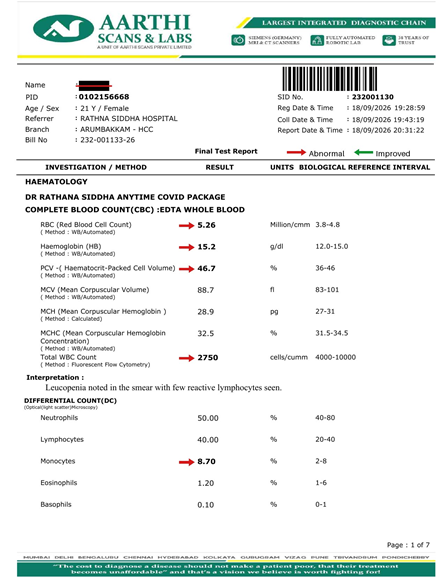
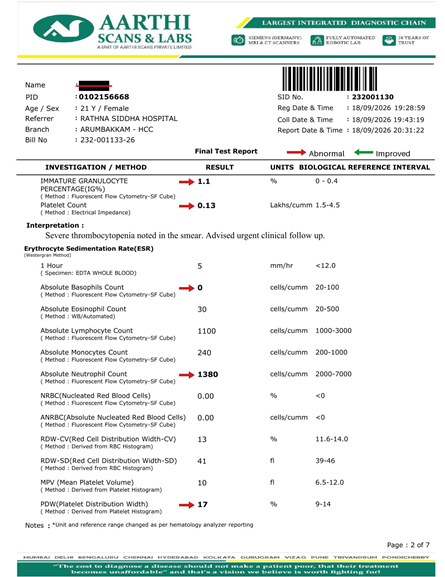
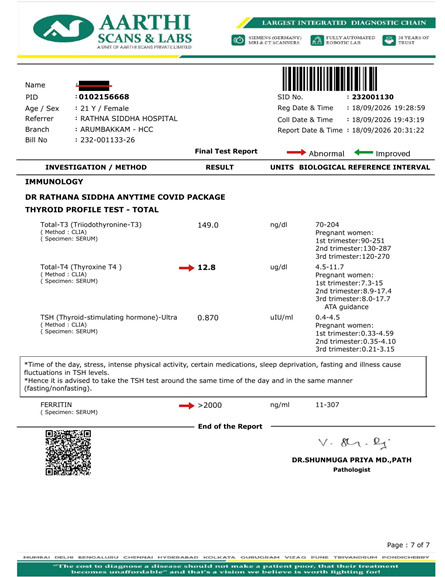
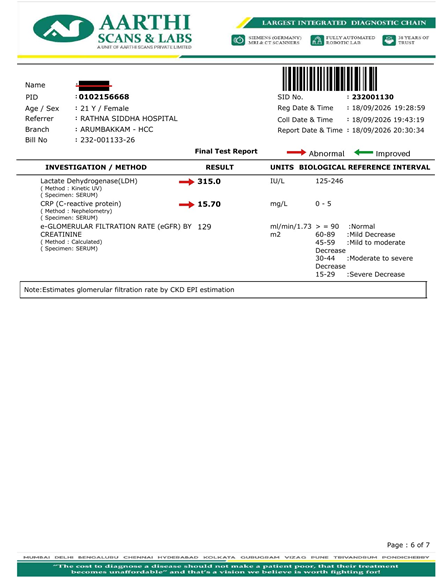
She arrived at Rathna Siddha Hospital with dengue fever and severe thrombocytopenia. Her first laboratory investigation, dated 18 September 2026, showed a platelet count of 0.13 lakh/cumm (13,000 cells/cumm), a total WBC count of 2,750 cells/cumm, C-reactive protein of 15.70 mg/L and ferritin >2,000 ng/mL.
The markedly reduced platelet count, leukopenia and elevated inflammatory markers required careful medical assessment and close monitoring. For the next several days, the priority was to follow her condition, assess the risk of complications and support her recovery under appropriate medical supervision.
| Patient | 21-year-old female |
| Diagnosis | Dengue fever with severe thrombocytopenia |
| Presenting symptoms | Fever, severe headache, body and joint pain, vomiting, lower abdominal pain, bleeding, constipation |
| Laboratory | Aarthi Scans & Labs, Arumbakkam |
| Observation window | 18 – 28 September 2026 · five serial reports (Day 1, 4, 6, 8, 11) |
| Markers tracked | Platelets and platelet indices, WBC and differential, hemoglobin, PCV, CRP, ferritin, LDH, D-dimer, liver enzymes, renal function |
THE JOURNEY AT A GLANCE
Ten Days, Five Reports
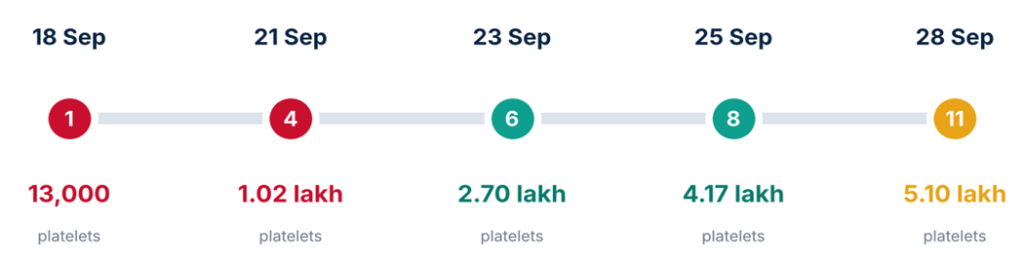
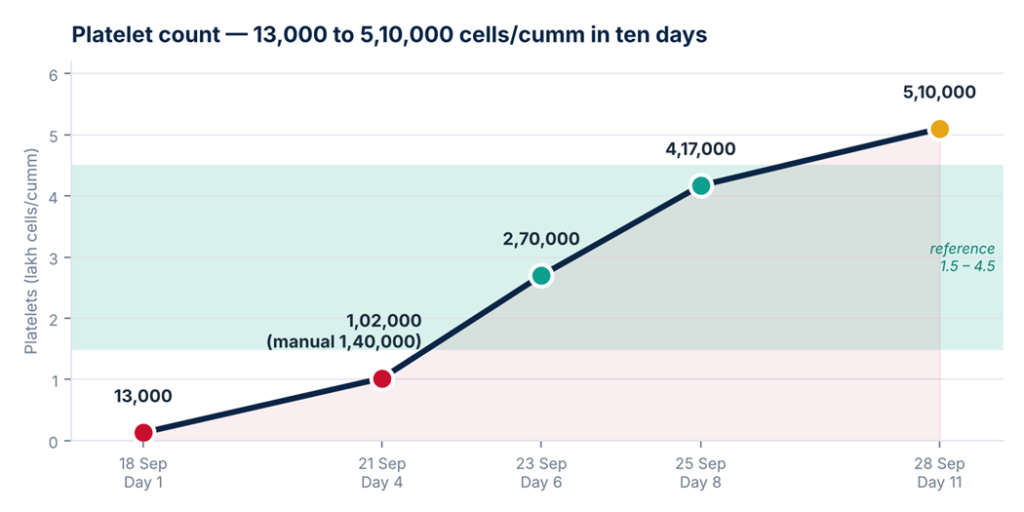
Figure 1. Platelet count across the five reports, spaced by calendar day. Shaded band: reference interval 1.5–4.5 lakh/cumm printed on the reports. Red = below range, green = within range, amber = above range. The 21 September value is the analyser count; the laboratory’s manual count was 1,40,000.
| Reading the platelet curve Platelet counts in dengue typically fall during the febrile and critical phases and then recover over the following days as the illness resolves. The shape seen here, a steady climb from 13,000 to above the reference range within ten days, is therefore consistent with the expected course of the disease. What this single case can add is a transparent, dated record of how each laboratory marker behaved alongside it. |
Day-by-Day Blood Reports
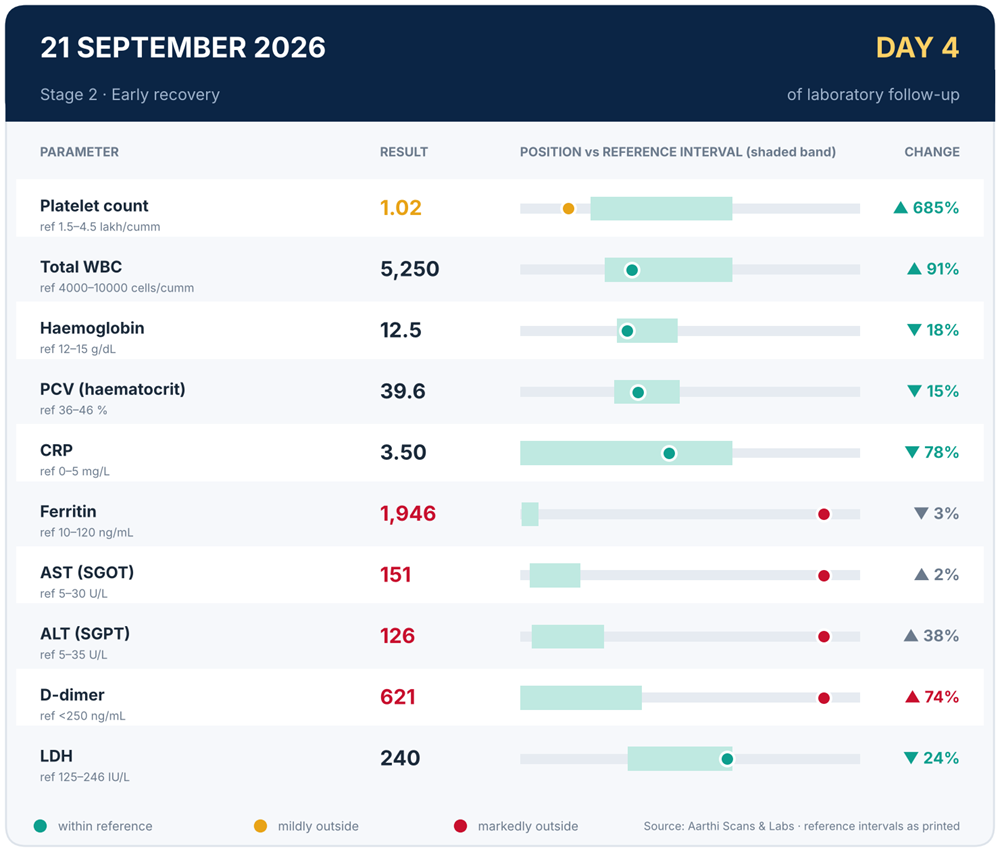
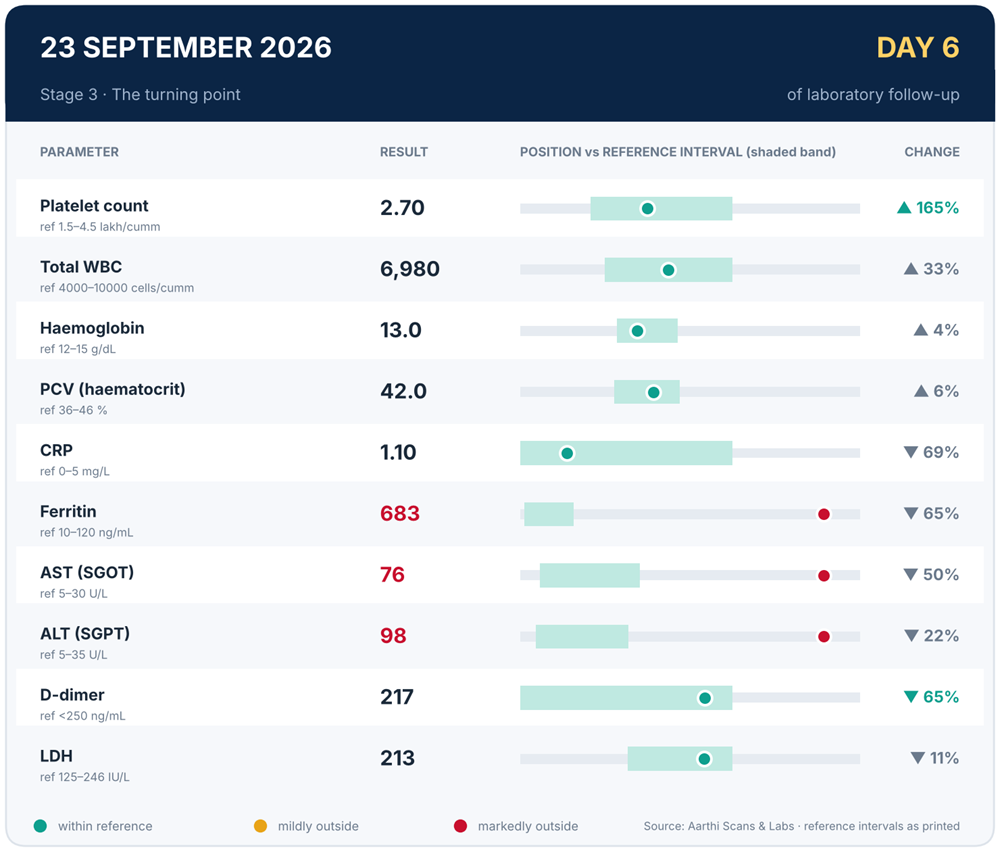
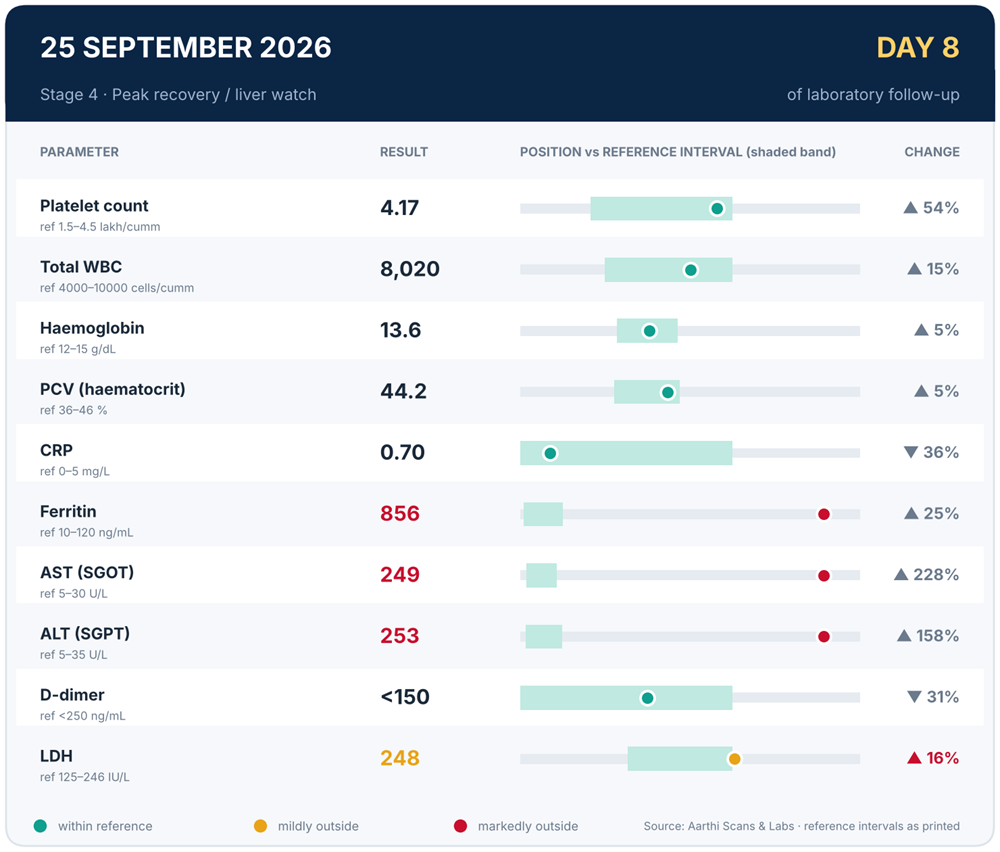
Each of the next five pages summarises one laboratory report as a dashboard. For ten key parameters, the dot shows where the patient’s result sat relative to the reference interval printed on that day’s report (shaded band). Colour shows the status of the result; the right-hand column shows the percentage change from the previous report.
| How to read a dashboard Green dot: result inside the reference interval.Amber dot: mildly outside (up to 50 % beyond the nearest limit).Red dot: markedly outside the reference interval.▲ / ▼ with a percentage: direction and size of change since the previous report; green means the result moved towards normal, red means it moved away. |
STAGE 1 · DAY 1
18 September 2026 — A Concerning Beginning
The first report is the baseline against which every later change is measured. The pathologist’s own interpretation read: “Severe thrombocytopenia noted in the smear.”
What the report shows
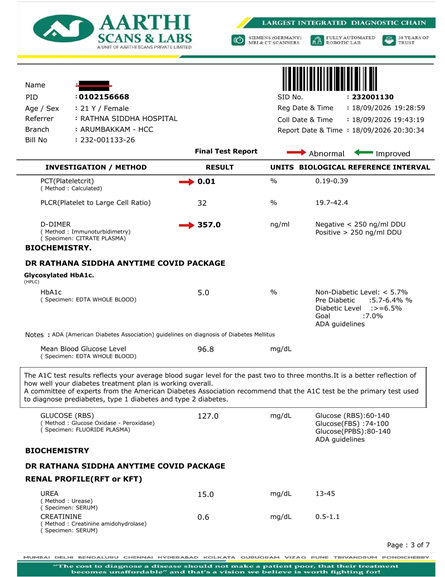
- Platelets 0.13 lakh/cumm (13,000) against a reference interval of 1.5–4.5 lakh; plateletcrit 0.01 % and platelet distribution width 17 % were also abnormal.
- WBC 2,750 cells/cumm with absolute neutrophils 1,380 — leukopenia, with a few reactive lymphocytes seen on the smear.
- Haemoglobin 15.2 g/dL and PCV 46.7 % were at or just above the upper reference limit, a pattern that can reflect haemoconcentration in dengue; PCV later settled to 39.6 %.
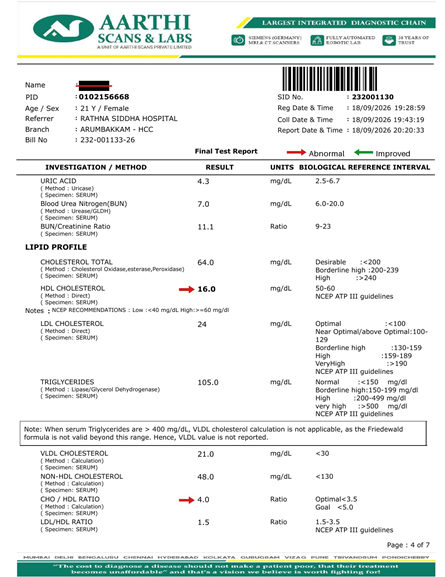
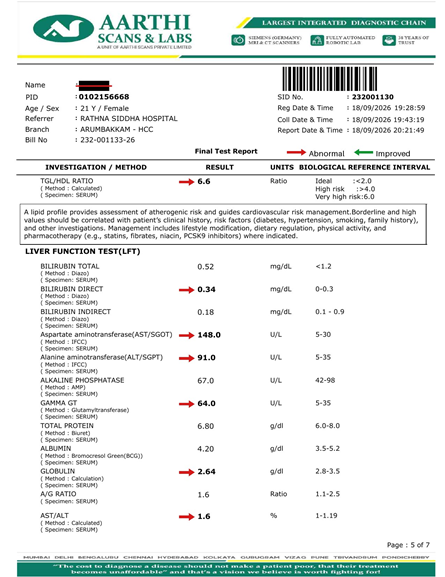
- CRP 15.70 mg/L, ferritin >2,000 ng/mL, LDH 315 IU/L, D-dimer 357 ng/mL were all raised, together with AST 148 U/L, ALT 91 U/L and gamma-GT 64 U/L. Bilirubin, creatinine, urea and eGFR (129) were normal.
STAGE 2 · DAY 4
21 September 2026 — Monitoring the Changes
Three days later every marker of the acute picture had moved in the right direction, with one exception worth watching: the liver enzymes.
What the report shows
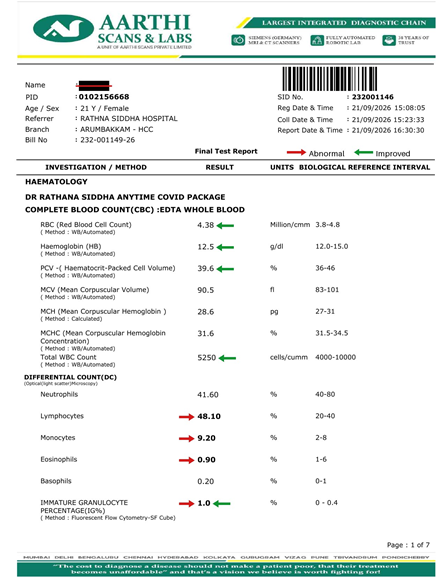
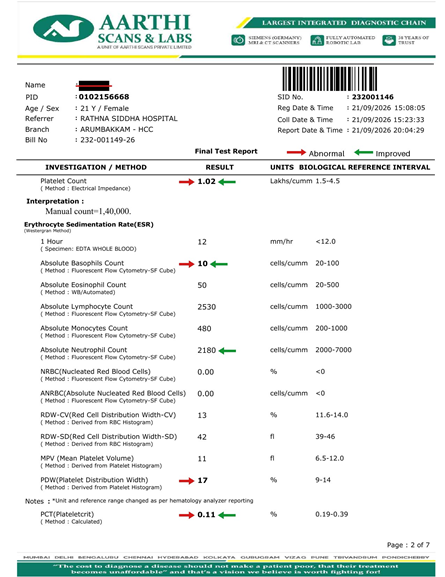
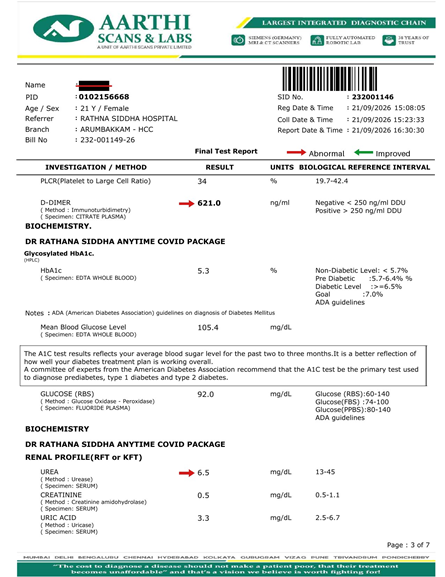
- Platelets 1.02 lakh/cumm (analyser). The laboratory added a manual count of 1,40,000, so the true value lies between the two figures — a reminder that automated counts should be confirmed on a smear when low.
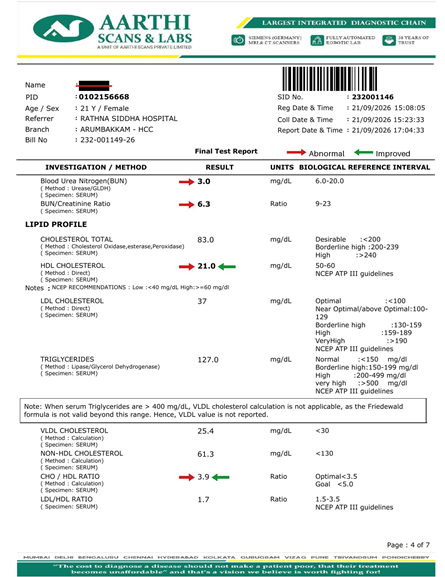
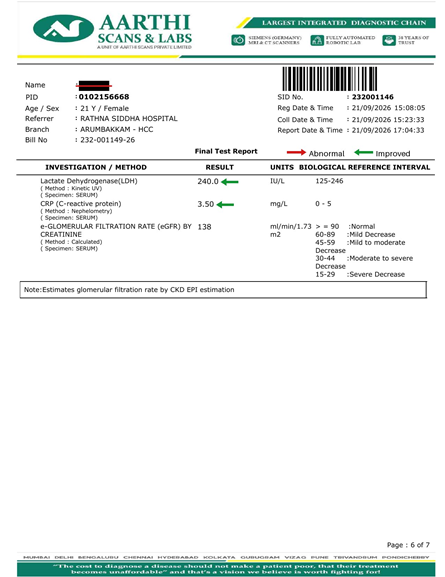
- WBC 5,250 cells/cumm; neutrophils 2,180 had returned inside the reference interval; CRP fell to 3.50 mg/L (normal) and LDH to 240 IU/L.
- Haemoglobin 12.5 g/dL and PCV 39.6 % were now mid-range (PCV down from 46.7 %).
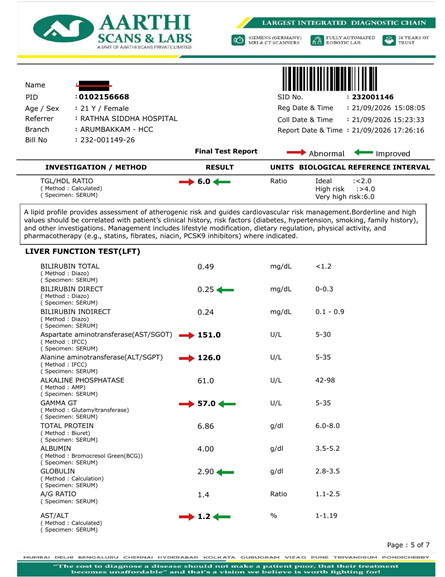
- D-dimer 621 ng/mL was the highest value recorded in the series; AST 151 U/L and ALT 126 U/L were rising; ferritin remained 1,946 ng/mL.
STAGE 3 · DAY 6
23 September 2026 — The Turning Point
Five days after the first report the picture had changed markedly: platelets were inside the reference interval for the first time.
What the report shows
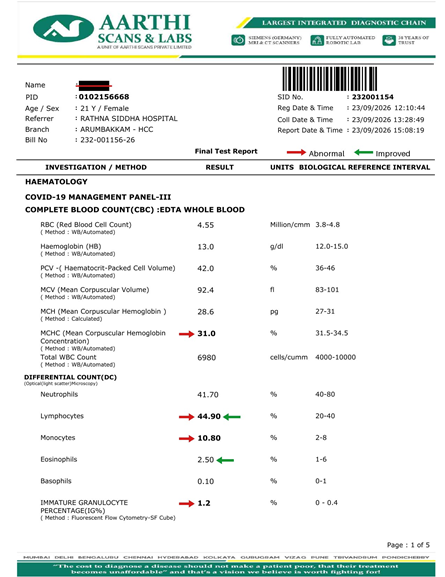
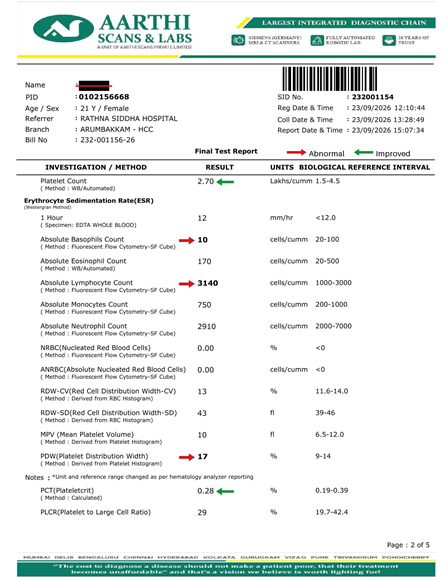
- Platelets 2.70 lakh/cumm (from 0.13 lakh on 18 September); plateletcrit 0.28 % — now normal.
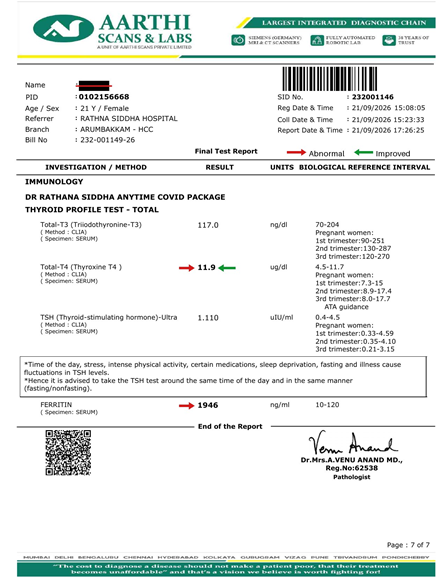
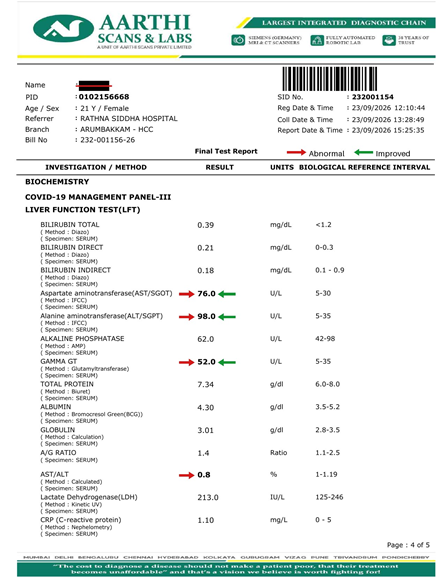
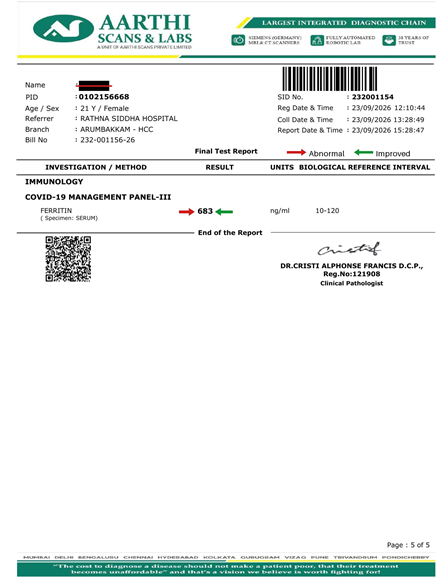
- WBC 6,980 cells/cumm; CRP 1.10 mg/L; ferritin 683 ng/mL — ferritin had fallen by about two-thirds from 1,946 on 21 September, but remained above its reference interval.
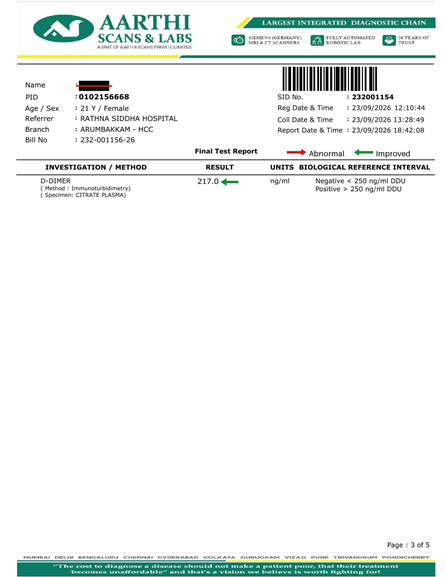
- D-dimer 217 ng/mL and LDH 213 IU/L were both normal.
- AST 76 U/L (from 151) but ALT 98 U/L — transaminases were improving but still raised; haemoglobin 13.0 g/dL and PCV 42.0 % were normal.
STAGE 4 · DAY 8
25 September 2026 — Looking Beyond the Numbers
Platelets reached 4.17 lakh, yet this is the report that shows why a single marker never tells the whole story: liver enzymes and ferritin moved the wrong way.
What the report shows
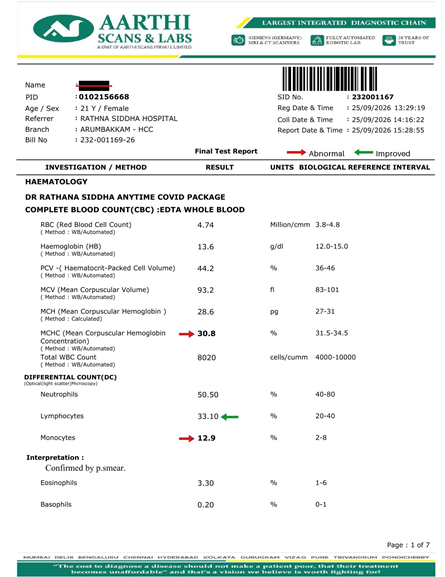
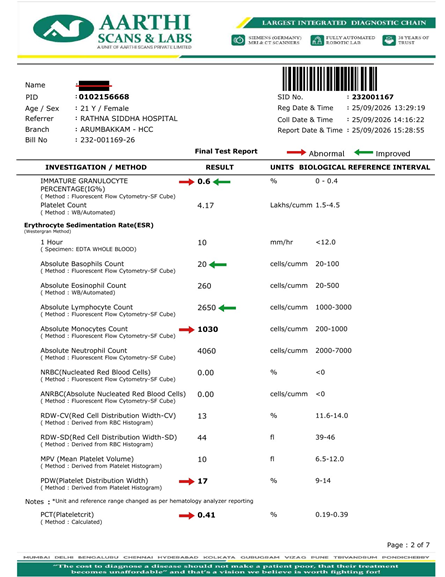
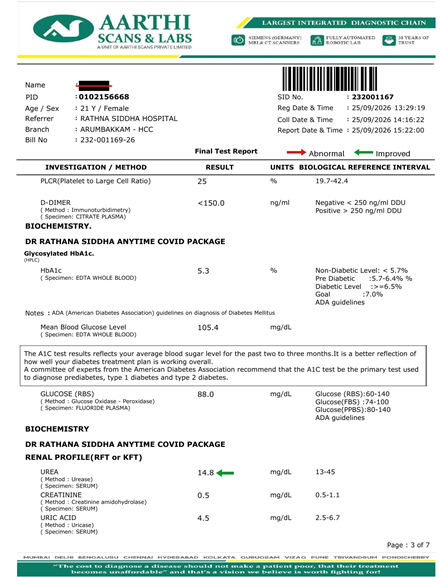
- Platelets 4.17 lakh/cumm with plateletcrit 0.41 % (just above range); WBC 8,020; CRP 0.70 mg/L; D-dimer <150 ng/mL — all within or below the reference limit.
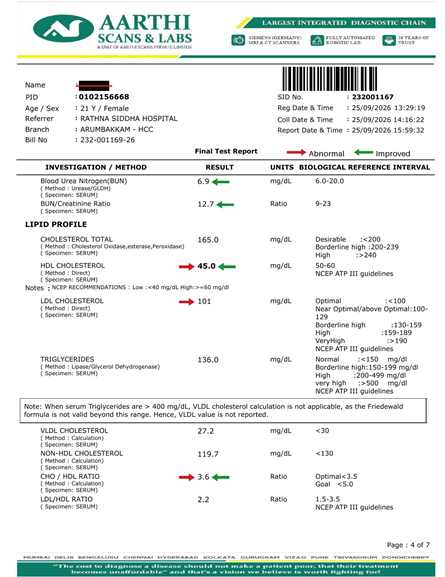
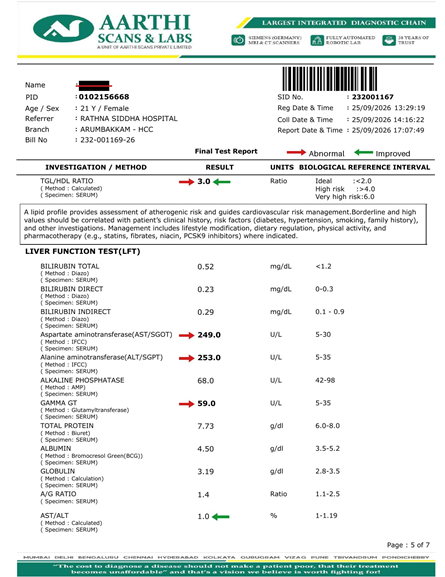
- AST 249 U/L and ALT 253 U/L were the highest values of the series. Bilirubin (0.52 mg/dL), alkaline phosphatase (68 U/L) and albumin (4.5 g/dL) remained normal.
- Ferritin 856 ng/mL rose from 683 on 23 September, although still far below the >2,000 recorded at presentation.
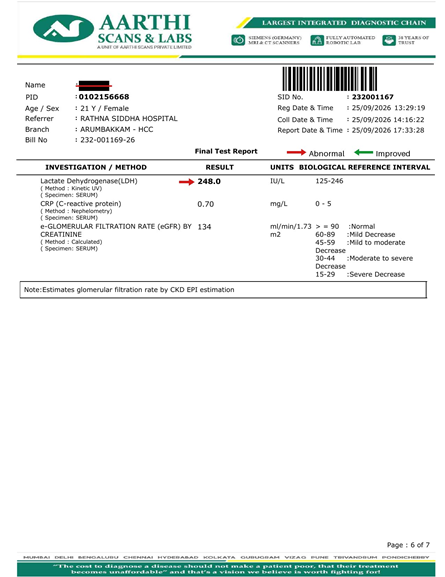
- Renal function stayed normal: creatinine 0.5 mg/dL, eGFR 134 mL/min/1.73 m².
STAGE 5 · DAY 11
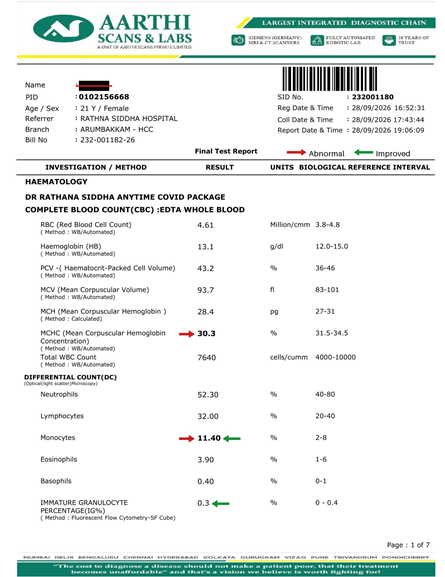
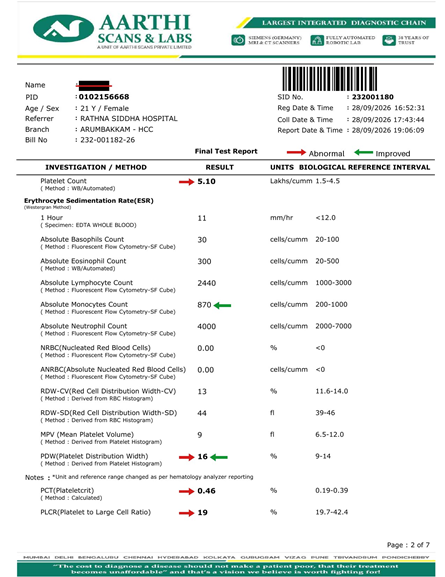
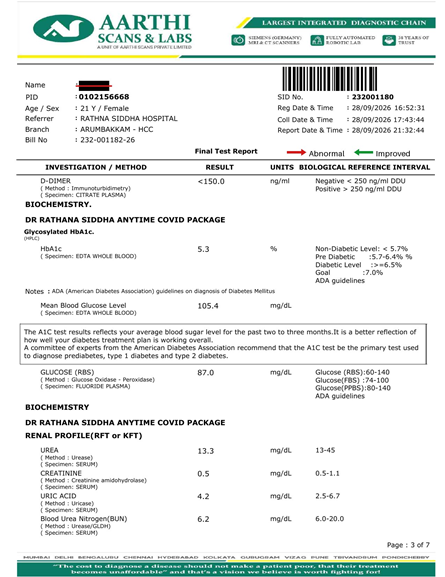
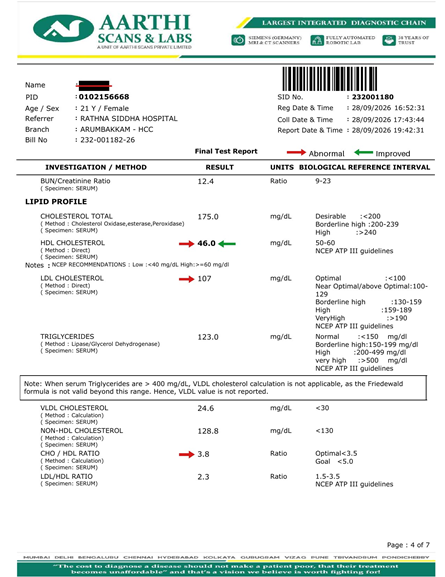
28 September 2026 — The Later Report
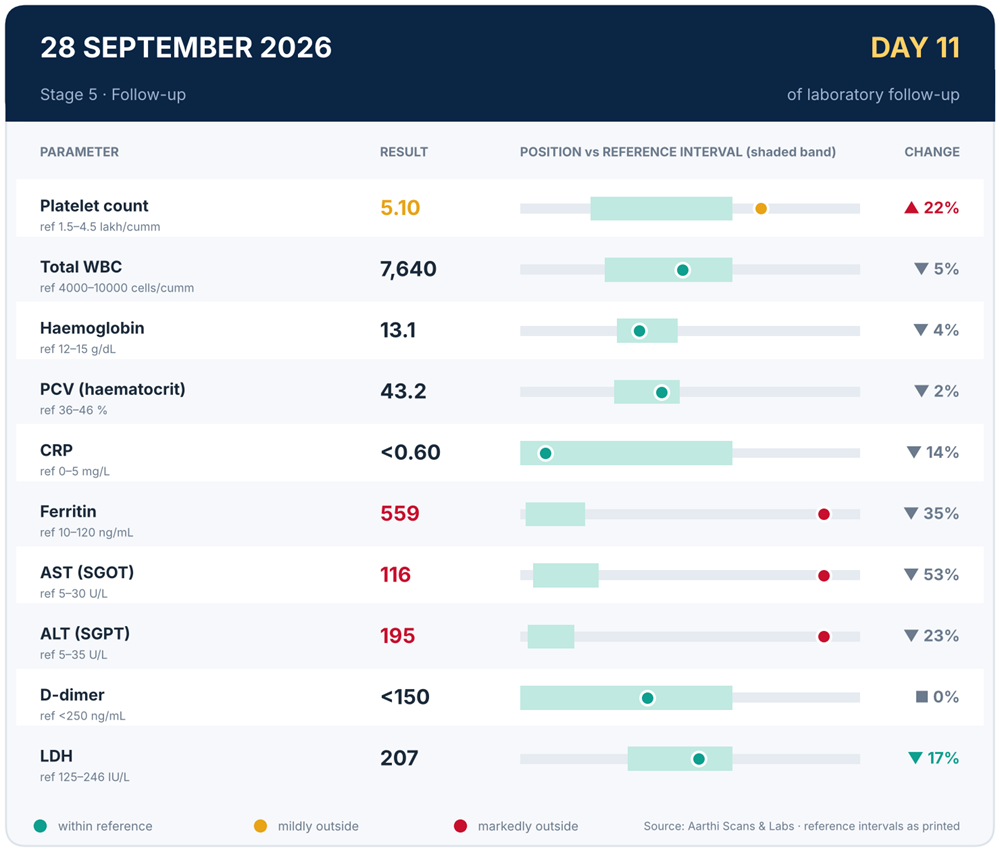
The final report in the supplied sequence extends observation beyond the first-to-third-report
What the report shows
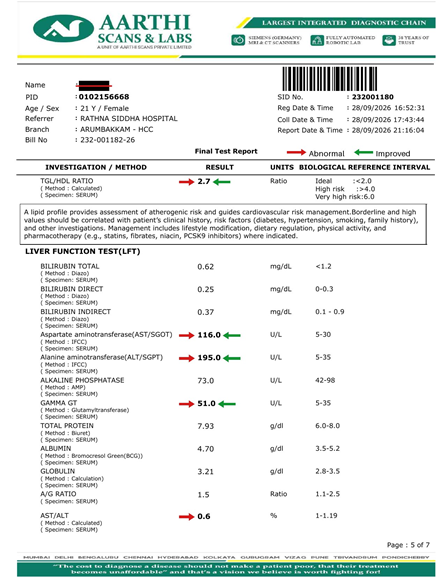
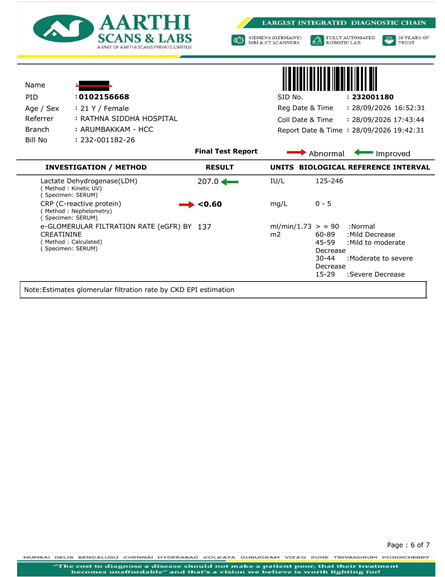
- Platelets 5.10 lakh/cumm — now slightly above the 4.5 lakh upper reference limit (plateletcrit 0.46 %). A rise above range can occur during recovery and is usually followed up with a repeat count.
- CRP <0.60 mg/L, LDH 207 IU/L, D-dimer <150 ng/mL were normal; WBC 7,640 cells/cumm with a normal differential (monocytes 11.4 %, mildly raised).
- AST 116 U/L and ALT 195 U/L had fallen from the 25 September peak (249 / 253) but remained above their reference limits.
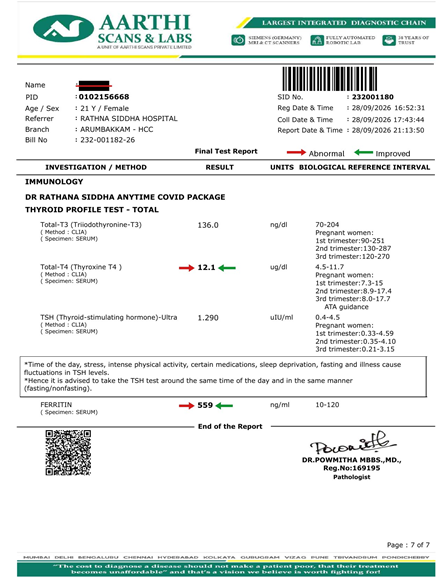
- Ferritin 559 ng/mL continued to fall but had not yet returned to its reference interval (10–120 ng/mL).
The Blood Reports Tell the Story
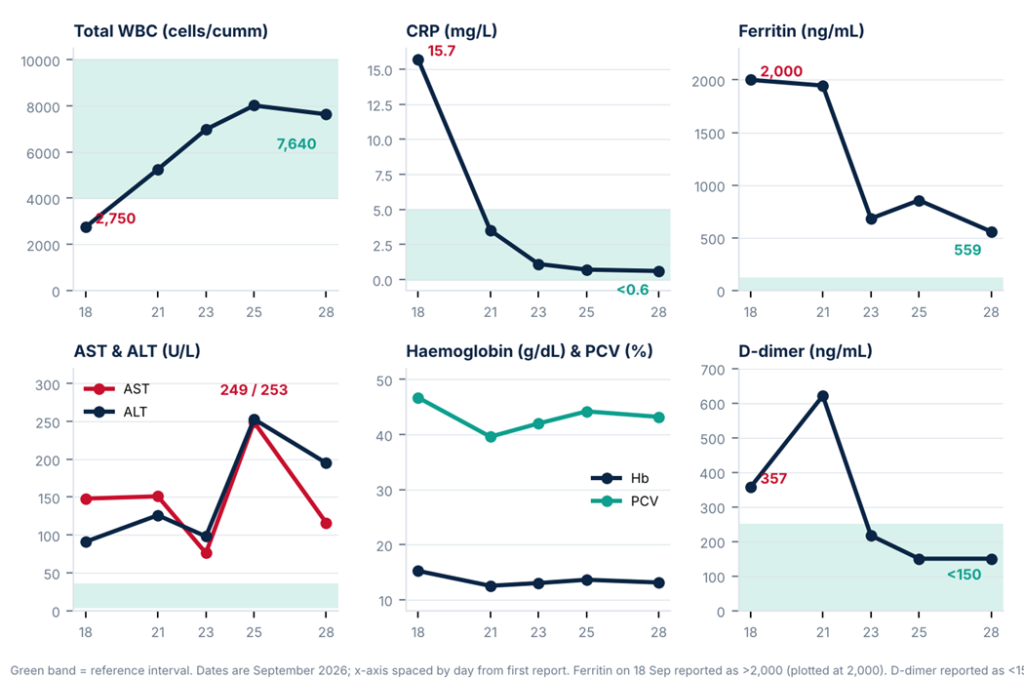
Figure 2. Trends of six marker groups across the five reports.
Taken together, the platelet count rose, the WBC count normalised and CRP, D-dimer and LDH returned to normal. Ferritin fell by about 72 % from its first-report value but had not normalised by 28 September, and the liver enzymes followed a different course: they were already raised at presentation, peaked on 25 September and were falling but still elevated on 28 September..
Complete Results Table
| Parameter | Unit | Reference | 18 Sep | 21 Sep | 23 Sep | 25 Sep | 28 Sep |
| Platelet count | lakh/cumm | 1.5–4.5 | 0.13 | 1.02* | 2.70 | 4.17 | 5.10 |
| Plateletcrit (PCT) | % | 0.19–0.39 | 0.01 | 0.11 | 0.28 | 0.41 | 0.46 |
| Platelet distribution width | % | 9–14 | 17 | 17 | 17 | 17 | 16 |
| Total WBC | cells/cumm | 4000–10000 | 2,750 | 5,250 | 6,980 | 8,020 | 7,640 |
| Absolute neutrophils | cells/cumm | 2000–7000 | 1,380 | 2,180 | 2,910 | 4,060 | 4,000 |
| Absolute lymphocytes | cells/cumm | 1000–3000 | 1,100 | 2,530 | 3,140 | 2,650 | 2,440 |
| Haemoglobin | g/dL | 12–15 | 15.2 | 12.5 | 13.0 | 13.6 | 13.1 |
| PCV (haematocrit) | % | 36–46 | 46.7 | 39.6 | 42.0 | 44.2 | 43.2 |
| CRP | mg/L | 0–5 | 15.70 | 3.50 | 1.10 | 0.70 | <0.60 |
| Ferritin | ng/mL | 10–120† | >2,000 | 1,946 | 683 | 856 | 559 |
| LDH | IU/L | 125–246 | 315 | 240 | 213 | 248 | 207 |
| D-dimer | ng/mL | <250 | 357 | 621 | 217 | <150 | <150 |
| AST (SGOT) | U/L | 5–30 | 148 | 151 | 76 | 249 | 116 |
| ALT (SGPT) | U/L | 5–35 | 91 | 126 | 98 | 253 | 195 |
| Gamma-GT | U/L | 5–35 | 64 | 57 | 52 | 59 | 51 |
| Total bilirubin | mg/dL | 0–1.2 | 0.52 | 0.49 | 0.39 | 0.52 | 0.62 |
| Creatinine | mg/dL | 0.5–1.1 | 0.6 | 0.5 | — | 0.5 | 0.5 |
| eGFR | mL/min/1.73 m² | ≥90 | 129 | 138 | — | 134 | 137 |
| Random blood glucose | mg/dL | 60–140 | 127 | 92 | — | 88 | 87 |
INTERPRETATION
The Role of Siddha Treatment and Clinical Monitoring
Treatment was initiated at Rathna Siddha Hospital, and the patient’s clinical condition and laboratory parameters were monitored very carefully.
Kayakalpa herbal juice:
The Kayakalpa herbal juice was given to detox and to rejuvenate entire body system. It was given 4 times in a day.
Vettri tablets:
The herbs in the Vettri tablet are mostly traditional Siddha fever herbs, and each has a different role. Nilavembu (Andrographis paniculata) is the main one for fever and body pain. Vellaruku, Parpadagam and Kandankathiri add to the fever-reducing and anti-inflammatory effect, and Adathodai helps when cough or chest congestion comes with the fever. Keezhanelli, Seenthil and Amukkara are used to protect the liver and rebuild strength after illness. Sukku and Karumilagu help digestion, nausea and absorption.
Food as medicine:
Rathna Siddha Hospital gives its patients a weekly Siddha diet plan (Unavu Attavanai) of five light, easy-to-digest meals a day, built from traditional South Indian foods. It replaces polished white rice with millets (barnyard, foxtail, pearl and kodo) and with black and red rice, which supply fibre, minerals and antioxidant polyphenols. Each day includes a sprouted legume, such as horse gram, black gram, cowpea, chickpea or green gram, for plant protein, and a medicinal green at lunch, such as Ponnanganni, Manathakkali, Vallarai, amaranth, spinach or drumstick leaf. Light vegetables like ridge gourd, bottle gourd, ash gourd, banana stem and banana flower add fibre, and the evening soups are gentle on the stomach. Fermented foods like idli, dosa and adai are included to help nutrient absorption and gut health. In Siddha terms, the plan keeps the three humours (Mukkutram) balanced and protects digestive fire (Agni), so the body can use its nutrition to recover without being burdened by heavy food.
CONCLUSION
From Examination Hall to Hospital Bed — and Back Towards Recovery
For this young woman, the illness was never simply a story about numbers. Behind the platelet count was a 21-year-old who had been preparing for an important government examination, only to face fever, pain, bleeding and severe thrombocytopenia. She came to Rathna Siddha Hospital at a frightening moment, with a platelet count of 13,000 cells/cumm, and was met with attentive, personalised care rooted in the Siddha tradition.
Across eleven days of laboratory follow-up, her results moved steadily in the right direction. Her platelet count climbed to 5,10,000 cells/cumm, her white cell count returned to normal, CRP fell to below 0.60 mg/L, and ferritin fell from above 2,000 to 559 ng/mL. Her liver enzymes, which had peaked on 25 September, were already falling by the last report. Her kidney function and blood sugar stayed normal throughout. These changes form the central numerical record of her recovery under the hospital’s care.
Siddha medicine has been practised in Tamil Nadu for centuries. It treats the whole person, not only the illness, through bitter fever herbs such as Nilavembu, liver-supporting herbs such as Keezhanelli, strength-restoring herbs such as Amukkara, and a light, nutritious plan of millets, sprouted legumes, medicinal greens and warm soups. At Rathna Siddha Hospital this tradition is combined with regular blood tests, so every step of her recovery was watched and recorded. Her case shows how traditional healing and careful modern monitoring can work side by side, and it gives a good reason for further research into Siddha care in dengue.
SOURCE DOCUMENTS
Original Laboratory Reports
All 33 report pages are reproduced below in full, ordered by date and page. Every value shown in the infographics and in the results table was transcribed from these pages. Pages are from Aarthi Scans & Labs (Arumbakkam), referred by Rathna Siddha Hospital.
18 September 2026 · Day 1
21 September 2026 · Day 4
23 September 2026 · Day 6
25 September 2026 · Day 8
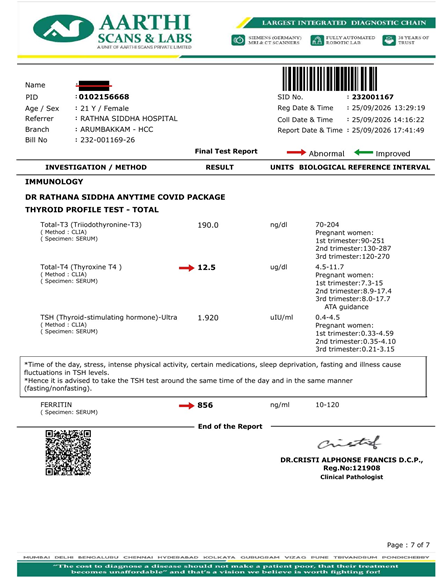
28 September 2026 · Day 11