

Dr. Pazhaniyappan, BSMS Published by Rathna Siddha Hospital & Herbal Research Centre, Chennai, Tamil Nadu, India |
Global Burden of Diabetic Foot Ulcers
Diabetic foot ulcers (DFUs) represent one of the most severe and costly complications of diabetes mellitus. The figures below reflect the scale of the crisis worldwide and in India.
| 537M Adults living with diabetes globally (IDF, 2021) | 25% Lifetime risk of DFU among all diabetics | 85% Non-traumatic amputations preceded by a DFU |
| ~50% 5-year mortality post-major amputation — worse than many cancers | 101M Diabetics in India — second-largest population globally (IDF, 2021) | 2–3% Annual DFU incidence among diabetics; higher in rural India |
A Real-Life Diabetic Foot Ulcer Journey: From Fear to Recovery
The doctor did not raise his voice.
He simply pointed toward the blackened wound and spoke the sentence that changed everything.
“The infection is progressing. To save your life, we may have to remove the foot.”
The room fell silent.
For a moment, the 51-year-old woman from Trichy could hear nothing except her own heartbeat. The words “remove the foot” echoed louder than the medical explanation that followed.
A year earlier, life had been ordinary. She managed her diabetes, cared for her family, and moved through daily routines without much thought. Then a small wound appeared on her foot. Like many diabetic patients, she initially underestimated it.
Weeks turned into months.
The wound refused to heal.
The skin began to break down.
Pain intensified.
Walking became difficult.
Sleep became impossible.
Fear became permanent.
The ulcer was no longer just a wound—it was threatening her independence, dignity, and future.
Every morning began with pain.
Every evening ended with uncertainty.
Every hospital visit brought another reminder that diabetes was silently winning a battle beneath the skin.
Then came the recommendation for amputation.
For clinicians, it represented a life-saving procedure.
For the patient, it felt like losing a part of her identity.
Yet somewhere between fear and hope, she made a decision.
Rather than accepting amputation immediately, she sought an alternative route.
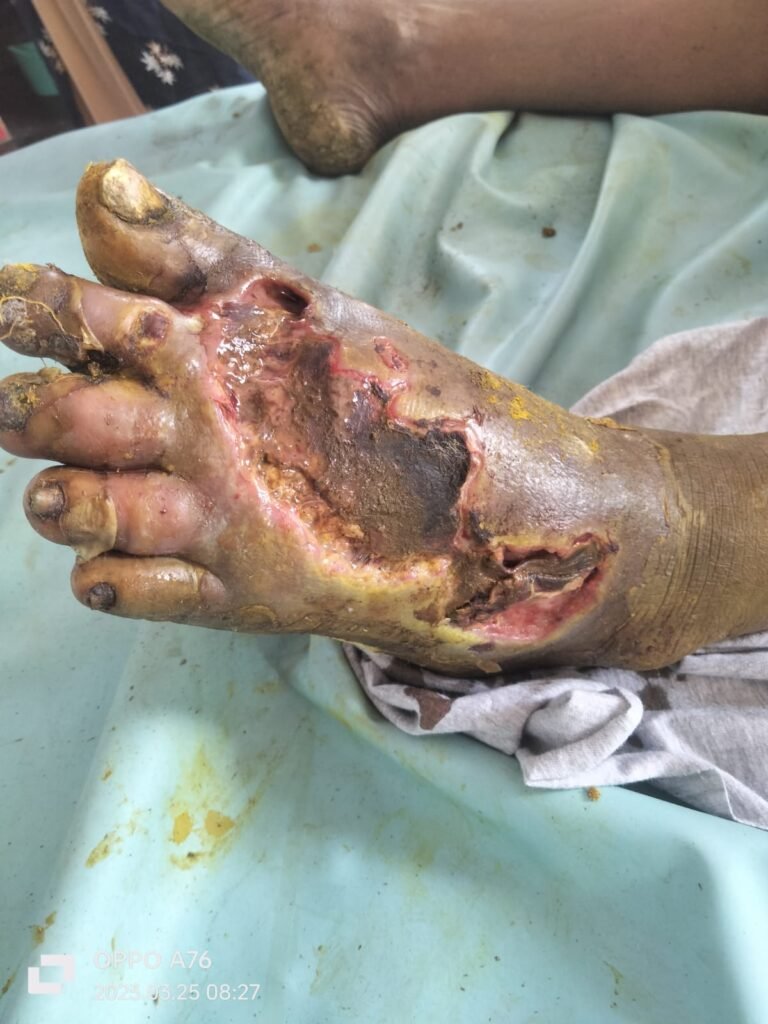
On 25 March 2023, she arrived at Rathna Siddha Hospital carrying a severely infected diabetic foot ulcer and a simple wish:
“If there is any possibility of saving my foot, I want to try.”
This study begins where many medical reports end—not with a diagnosis, but with a human being standing at the crossroads between limb loss and hope.
Abstract
| ABSTRACT Diabetic Foot Ulcer (DFU) is among the most severe complications of diabetes mellitus and a leading cause of non-traumatic lower-limb amputation worldwide. This case study presents a 51-year-old female from Trichy, Tamil Nadu, India, advised to undergo amputation due to a chronic non-healing diabetic foot ulcer. Seeking an alternative approach, she was admitted to Rathna Siddha Hospital and Research Centre on 25 March 2023. This narrative case study combines clinical observation with patient experience to explore wound progression, Siddha-based intervention, and recovery. Findings suggest Siddha medicine may contribute to wound healing and limb preservation in selected DFU cases, highlighting the need for rigorous clinical evaluation. |
1. Introduction
Diabetes mellitus has emerged as the defining chronic disease of the 21st century. Among its many complications, diabetic foot disease — encompassing neuropathy, peripheral vascular disease, infection, and ulceration — carries the highest burden of disability, hospitalization, and amputation globally.
In India, the convergence of genetic susceptibility, delayed diagnosis, poor glycemic control, and limited access to specialist wound care has created conditions where DFUs progress rapidly to limb-threatening infections. Conventional management through debridement, antibiotics, advanced dressings, and vascular surgery has improved outcomes, yet a substantial proportion of patients experience non-healing ulcers and ultimately require amputation.
Traditional medical systems — particularly Siddha medicine, practiced for millennia in South India — offer therapeutic approaches rooted in humoral balance, herbal pharmacology, and holistic wound care. This case study investigates the clinical and experiential dimensions of Siddha treatment in a patient who faced imminent amputation.
Infographic 1 — Pathophysiology of Diabetic Foot Ulcers
| PATHOPHYSIOLOGY FLOW Diabetes Mellitus (Chronic Hyperglycemia) ↓ Peripheral Neuropathy & Vascular Disease ↓ Loss of Sensation — Minor Injury Goes Unnoticed ↓ Infection & Impaired Immune Response ↓ Tissue Necrosis — Chronic Non-Healing Ulcer ↓ ⚠ RISK OF LIMB AMPUTATION Statistics: ~15–25% of diabetics develop DFU; 85% of major amputations are DFU-related (IDF, WHO, 2021) |
2. Review of Literature
Diabetic Foot Ulcer (DFU) remains one of the most severe complications of diabetes mellitus and is responsible for a significant proportion of lower-limb amputations worldwide. The chronic nature of diabetic wounds results from neuropathy, peripheral vascular disease, infection, impaired immunity, and delayed tissue regeneration. Although conventional management involving debridement, antibiotics, glycemic control, and advanced wound dressings has improved outcomes, many patients continue to experience non-healing ulcers, creating a need for alternative and integrative therapeutic approaches.
Global Evidence on Traditional and Integrative Therapies
A systematic review by Kumar et al. (2023) examined traditional complementary and alternative medicine (TCAM) for diabetic foot ulcer management. The review identified 18 medicinal plants and several herbal formulations used in wound healing. The authors concluded that traditional therapies possess antimicrobial, anti-inflammatory, and wound-regenerative properties, but emphasized the need for high-quality clinical trials to establish efficacy and safety.
Similarly, an integrative case series published in the Journal of Ayurveda and Integrative Medicine reported successful healing of six diabetic foot ulcer cases through a combination of conventional wound care and Ayurvedic interventions such as wound cleansing (Prakshalana), bandaging (Bandhana), and herbal therapies. The study demonstrated reduced healing time, minimal scar formation, and a decreased risk of amputation.
Siddha Medicine and Diabetic Foot Ulcers
In Siddha literature, diabetic ulcers are described as Madumega Pun, a chronic wound condition associated with metabolic imbalance and derangement of bodily humors. One of the earliest documented Siddha case reports by Samraj et al. (2019) described the treatment of a 61-year-old male with a diabetic plantar ulcer complicated by foul odor, pus discharge, swelling, gangrene, and osteomyelitis. The authors reported substantial wound healing through Siddha internal medicines and external applications, highlighting the potential role of Siddha medicine in limb preservation.
These findings suggest that Siddha medicine may contribute to wound healing through multiple mechanisms, including infection control, inflammation reduction, enhancement of local circulation, and stimulation of tissue regeneration. However, most available evidence remains limited to case reports and small case series.
Psychological Burden and Quality of Life
Several studies emphasize that diabetic foot ulcers are not merely physical wounds but also major psychological stressors. Chronic pain, fear of amputation, social isolation, dependency, and loss of mobility significantly affect patients’ quality of life. The possibility of limb loss often results in anxiety, depression, and emotional distress, factors that can indirectly influence healing outcomes. However, most existing studies focus primarily on clinical parameters while neglecting patient narratives and psychosocial experiences.
Reported Healing Outcomes in Siddha/Ayurvedic Studies
| Study | Patients | Days to Healing | Key Outcome |
| Samraj et al. (2019) | 1 (case report) | ~90 days | Substantial healing; gangrene & osteomyelitis resolved |
| Ayurvedic Integrative Series | 6 (case series) | ~60 days | Reduced healing time; minimal scar formation |
DFU Risk Factor Prevalence in Indian Diabetic Populations
| Risk Factor | Prevalence (%) |
| Poor glycemic control (HbA1c > 7%) | 68% |
| Peripheral neuropathy | 50% |
| Inadequate footwear | 45% |
| Peripheral vascular disease | 40% |
| Prior foot ulcer | 35% |
Siddha Medicine & Diabetic Wounds
In Siddha literature, diabetic ulcers are classified as Madumega Pun — chronic wounds arising from metabolic humoral imbalance. Samraj et al. (2019) documented substantial wound healing in a complicated plantar ulcer through Siddha internal medicines and external applications. Sugasini et al. (2022) reported complete healing in 50–70 days with reductions in pain, discharge, and ulcer size, without adverse effects.
Ayurvedic Approaches
Ayurveda conceptualizes diabetic ulcers as Madhumehajanya Vrana. Sreenadh and Dudhamal (2020) demonstrated significant wound healing through protocols combining debridement, infection control, and herbal formulations. Mambally et al. (2020) highlighted herbal enhancement of angiogenesis and tissue repair as key mechanisms in preventing amputation.
Research Gap
| ✓ WHAT WE KNOW ✓ DFUs are difficult to heal conventionally ✓ Hyperglycemia impairs tissue regeneration ✓ Siddha medicine has historical use in chronic wounds ✓ Case reports suggest positive healing outcomes ✓ Psychosocial burden is significant | ✗ WHAT WE DO NOT KNOW ✗ Limited international Siddha DFU publications ✗ No photographic longitudinal documentation ✗ Mechanisms of Siddha formulations unclear ✗ No comparative RCT-level trials ✗ Patient-reported outcomes rarely integrated |
3. Case Presentation
| Parameter | Details |
| Age | 51 years |
| Gender | Female |
| Residence | Trichy, Tamil Nadu, India |
| Date of Admission | 25 March 2023 |
| Diagnosis | Chronic Diabetic Foot Ulcer (Grade III–IV, Wagner Classification) |
| Prior Recommendation | Surgical foot amputation |
| Estimated Ulcer Duration | Approximately 12 months prior to admission |
| Comorbidities | Type 2 Diabetes Mellitus (uncontrolled); peripheral neuropathy |
| Prior Treatment | Antibiotics, conventional dressings, debridement (partial response) |
Physical and Psychological Burden
| PHYSICAL SYMPTOMS • Persistent wound pain • Chronic purulent discharge • Severe wound infection • Reduced limb mobility • Sleep disturbances | PSYCHOLOGICAL BURDEN • Amputation anxiety • Depression-like symptoms • Social withdrawal • Fear of dependency • Loss of identity & dignity |
4. Siddha Perspective — Madumega Pun
Siddha medicine — one of the world’s oldest traditional systems, originating in South India — conceptualises health as a dynamic equilibrium of three humors (Vatham, Pitham, Kabam) and five elements (Aindheri Aimbhootham). Diabetic ulcers, classified as Madumega Pun, are understood to arise from derangement of humoral balance compounded by metabolic dysfunction.
Treatment objectives under Siddha principles include blood purification (Ratha Shuddhi), detoxification, reduction of systemic inflammation, infection control at the wound site, and stimulation of tissue regeneration — all operating simultaneously through both internal medicines and external applications.
5. Therapeutic Intervention
Infographic 2 — Siddha Healing Pathway
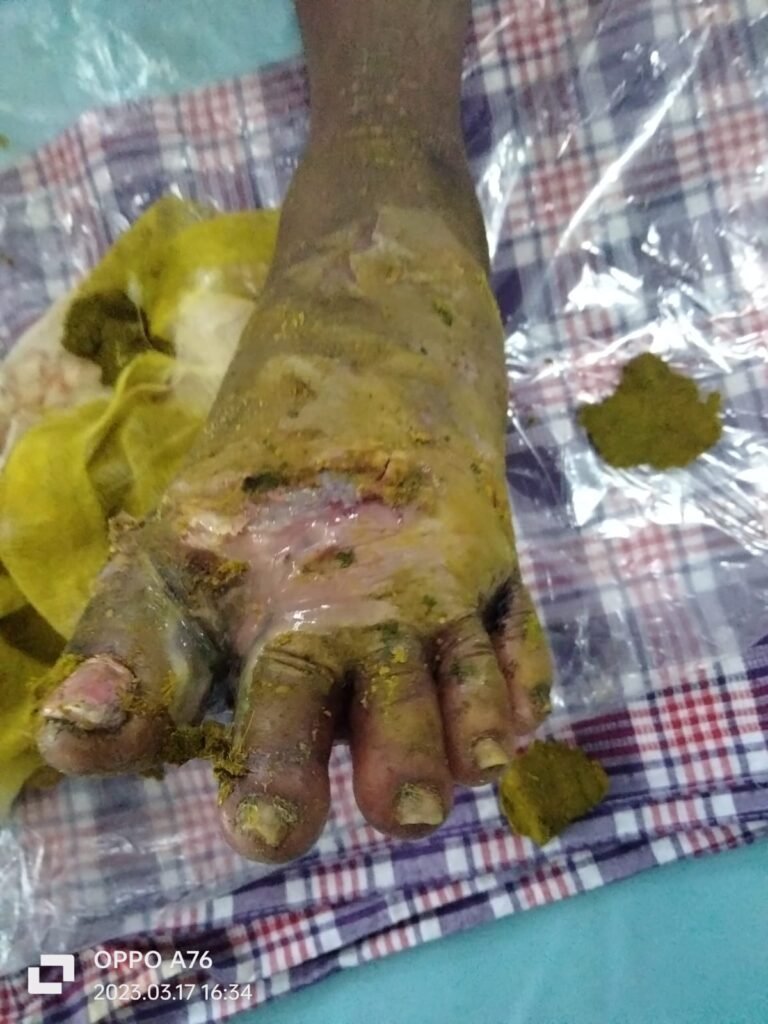
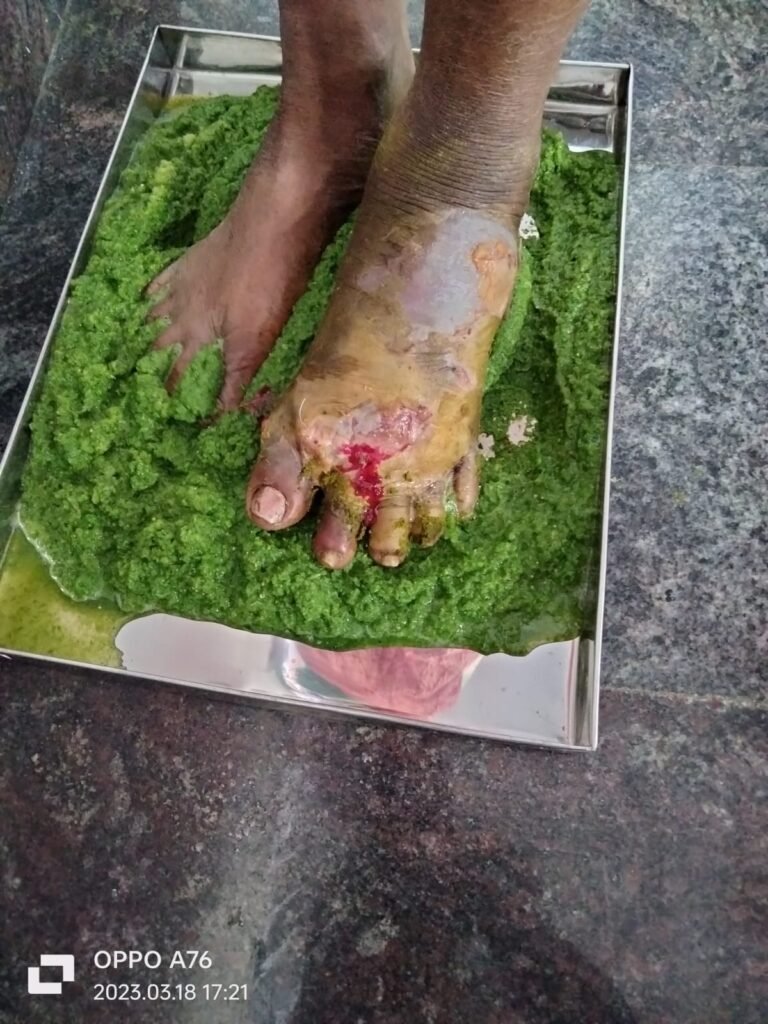
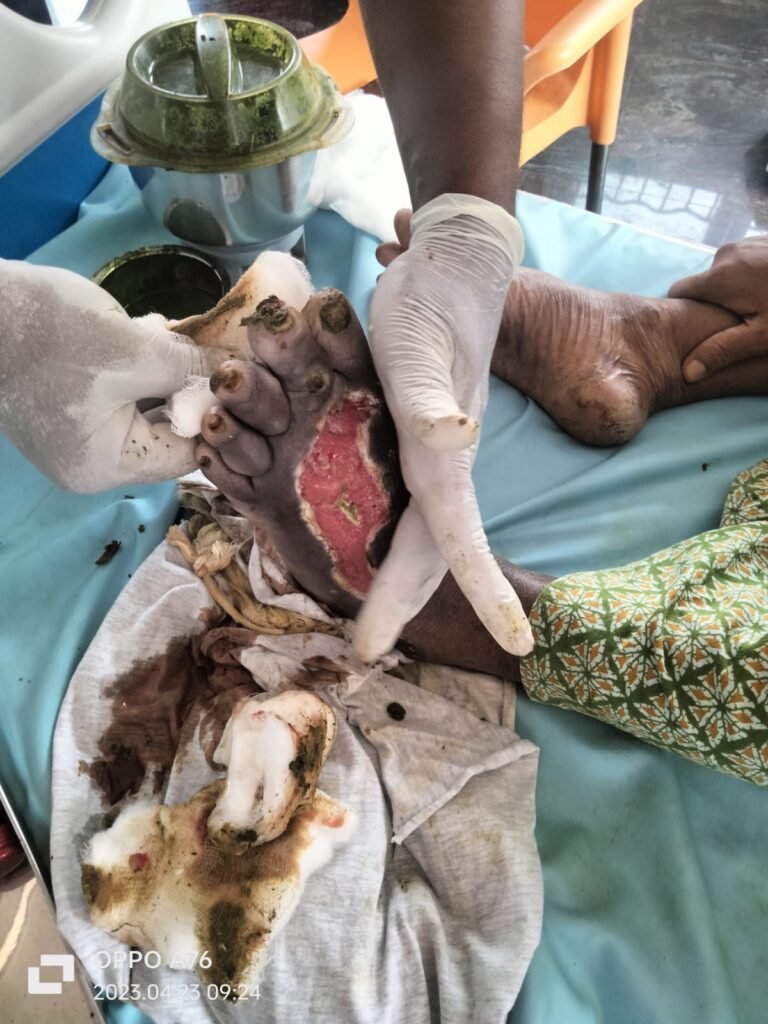
| Siddha Assessment & Diagnosis (Madumega Pun) ↓ Internal Medicines — Anti-diabetic, Immune & Blood-purifying Formulations of kayakalpa Tonic ↓ External Wound Cleansing — meethi chikichai (soaking and pressing foot on grinded Herbal leaves) ↓ Medicated Dressings & Siddha Oils and medicine ↓ Dietary Management & Glycemic Support and Tamil traditional food ↓ Regular Monitoring — Wound & Systemic Parameters ↓ Granulation → Epithelialization → Limb Salvage |
6. Wound Progression Analysis
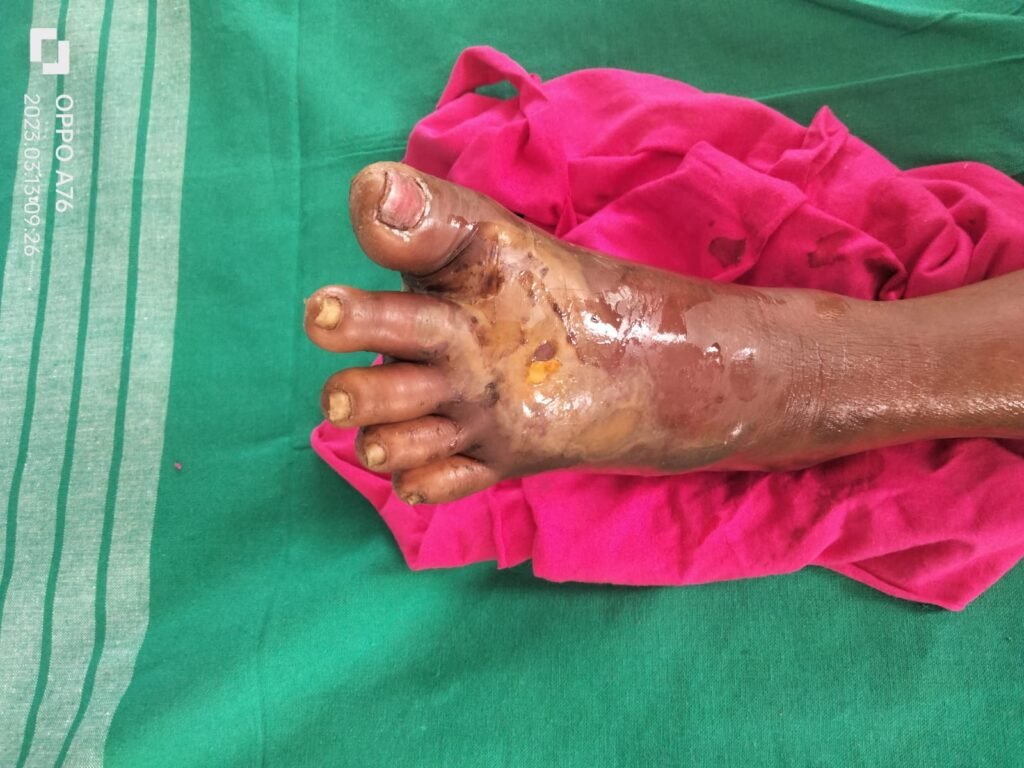
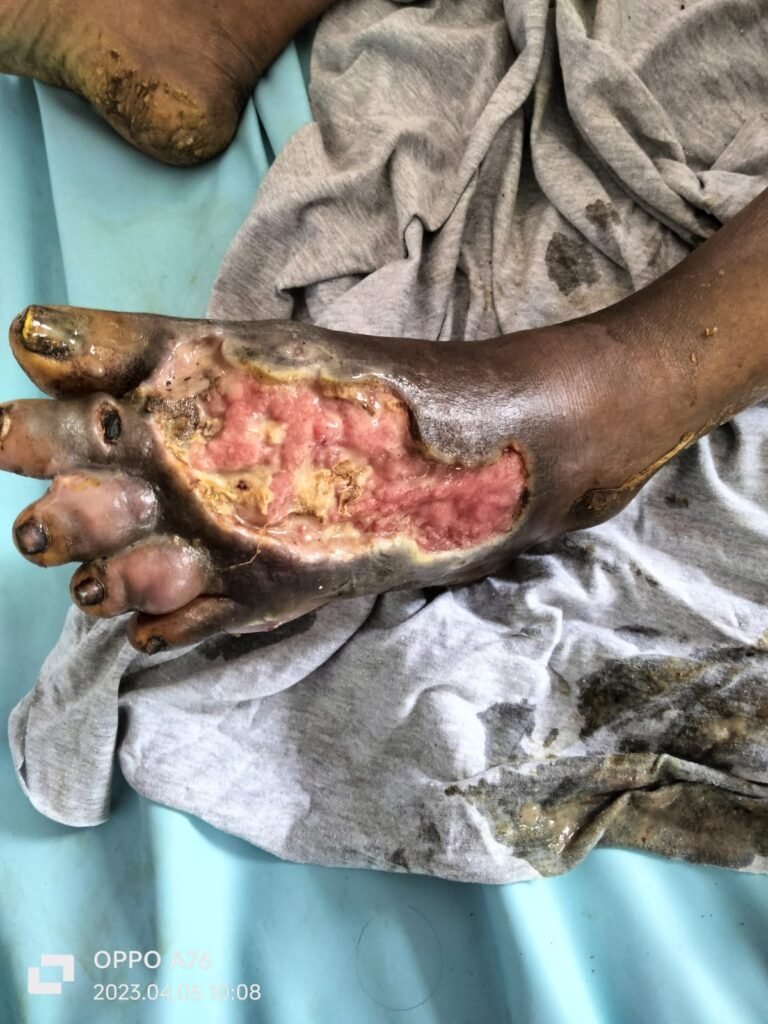
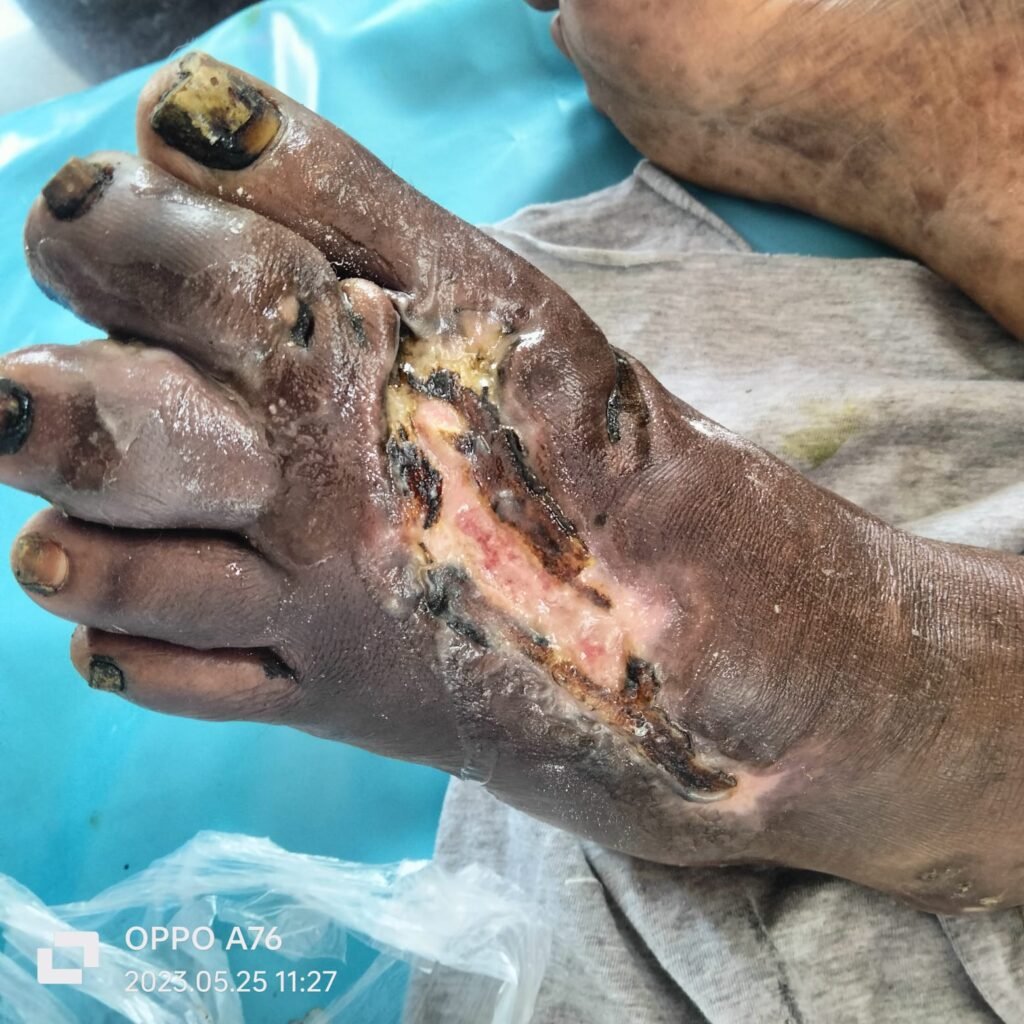
Admission — 25 March 2023
Stage 1: Active Infection & High Amputation Risk
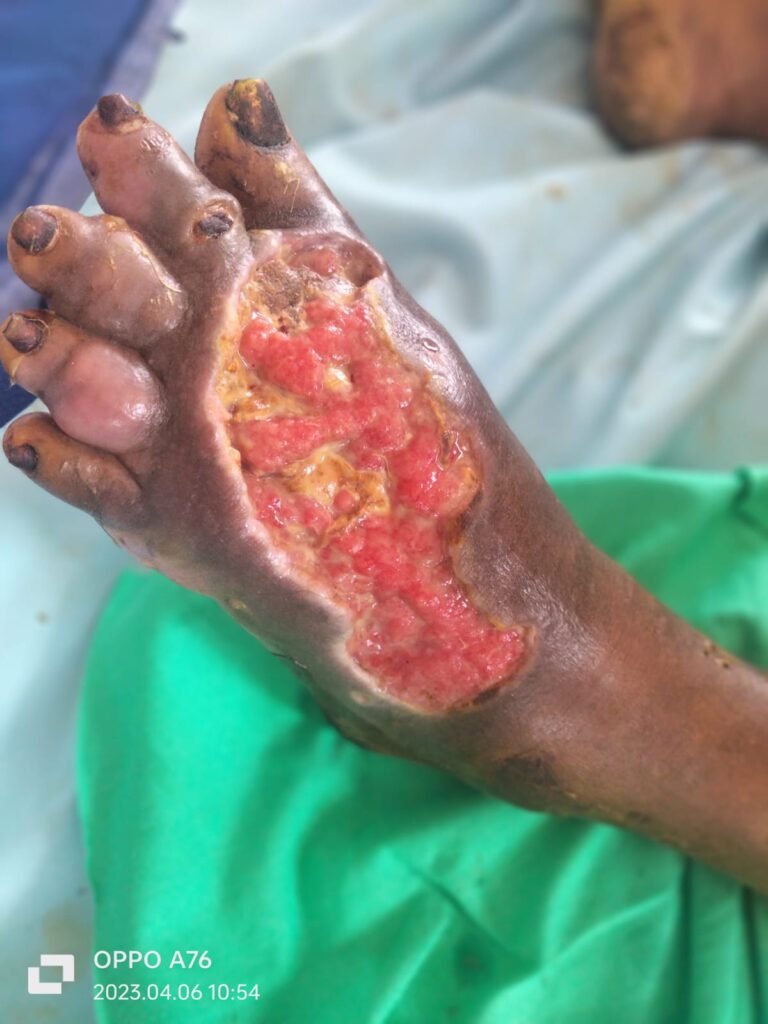
Extensive ulcer with infected necrotic tissue, severe inflammation, purulent discharge, and peri-wound oedema. Patient in considerable pain; mobility severely restricted. Clinically at high risk of systemic sepsis. Amputation previously recommended.
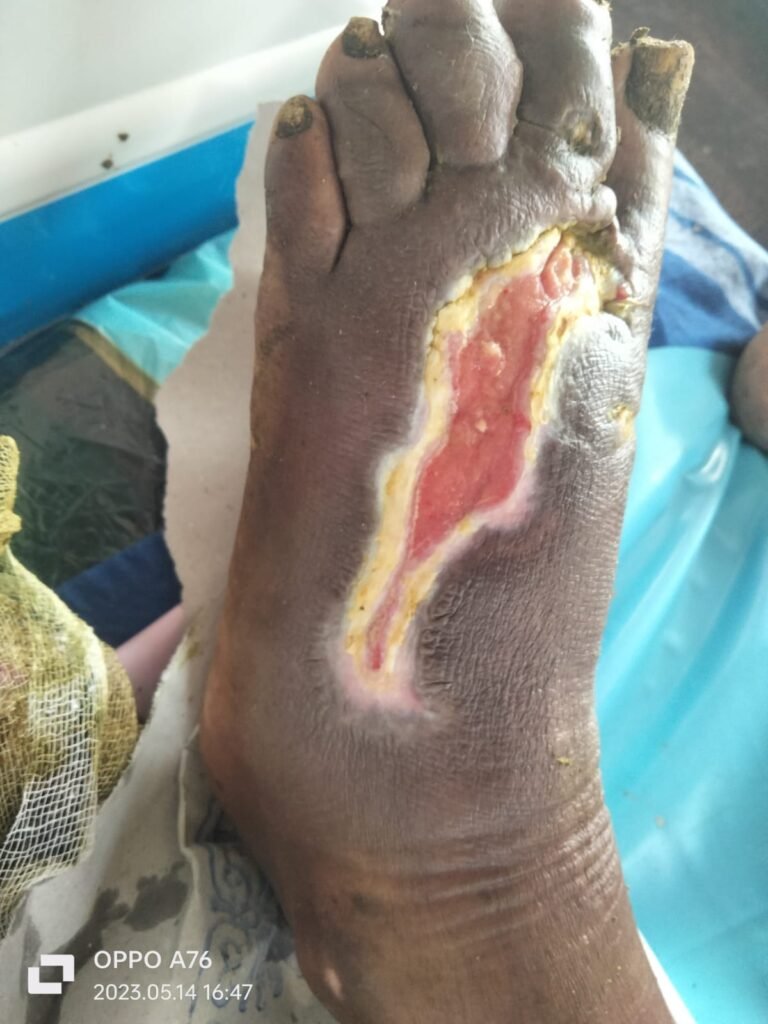
Weeks 1–3
Stage 2: Infection Reduction & Initial Improvement
Reduction in purulent wound discharge; decreased peri-wound swelling; improved wound hygiene. Modest reduction in pain intensity. Wound edges beginning to stabilize. No signs of systemic infection spread.
Weeks 3–6
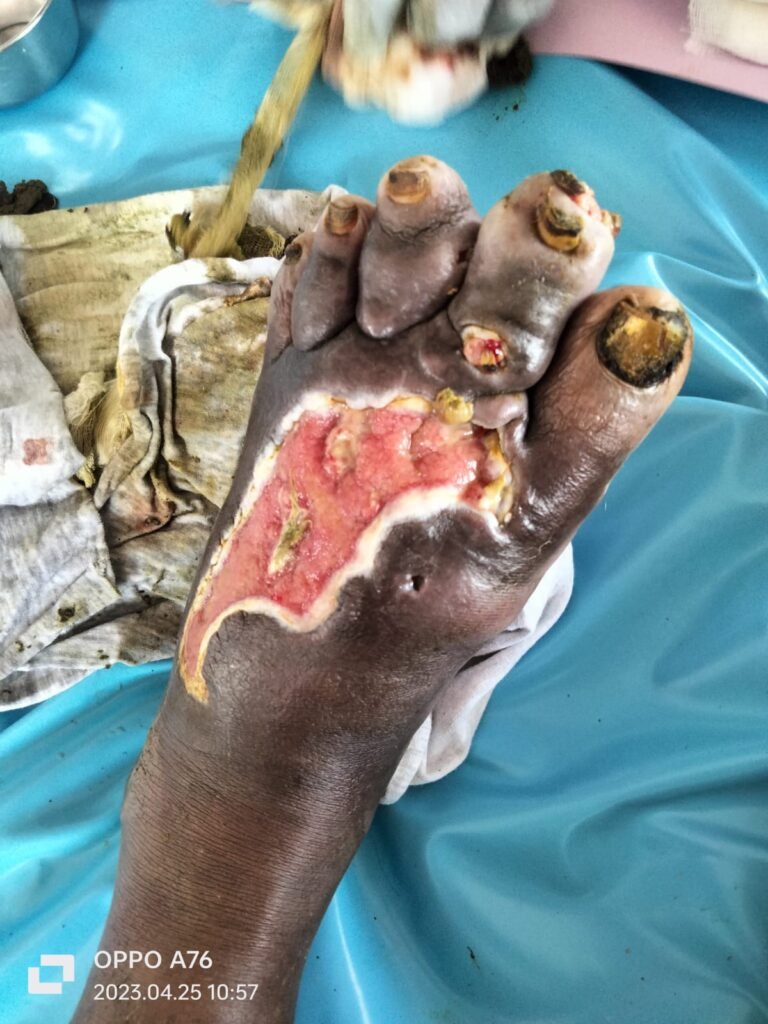
Stage 3: Granulation Tissue Formation
Healthy red granulation tissue visible at wound base. Measurable reduction in wound depth and surface area. Tissue regeneration process demonstrably initiated. Pain further reduced; patient able to bear partial weight.
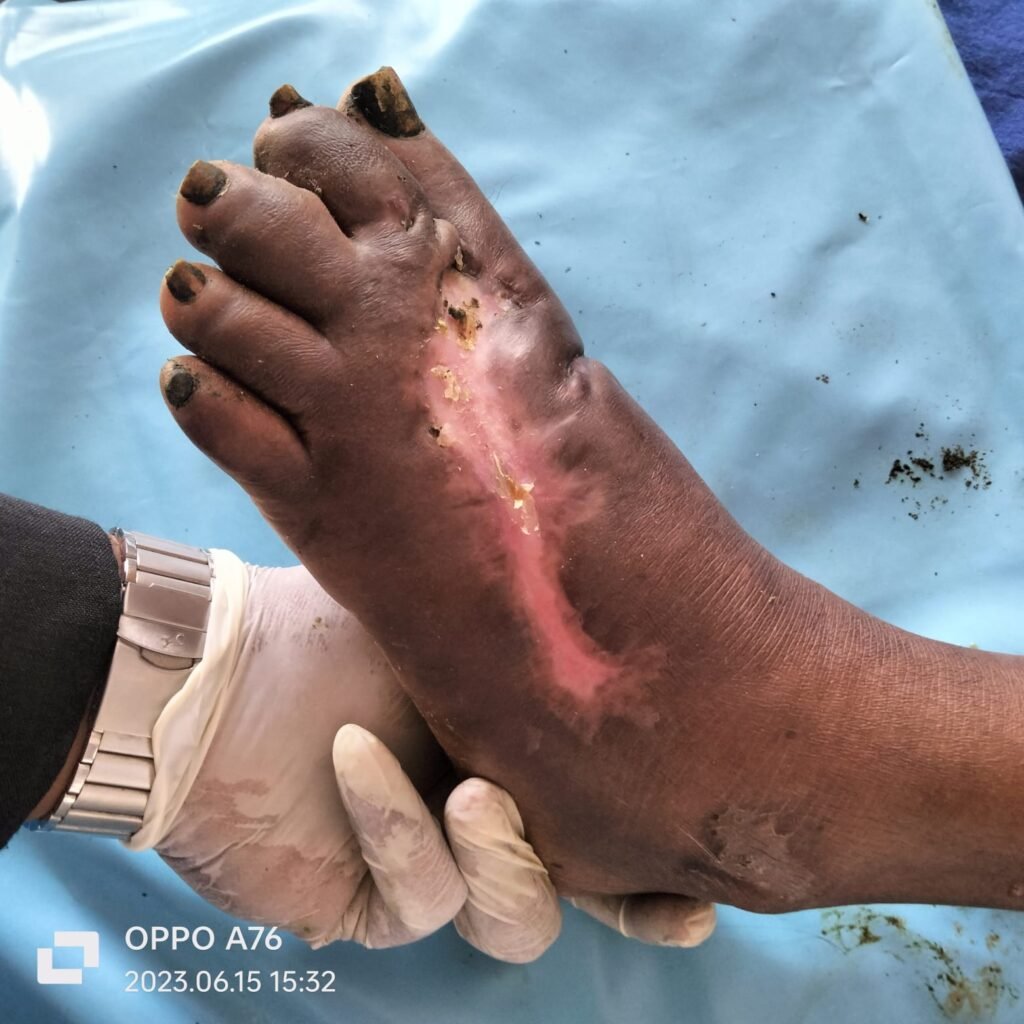
Weeks 6–10
Stage 4: Progressive Epithelialization
Wound margins contracting progressively; surface re-epithelialization advancing. Skin integrity improving. Patient psychological state notably improved; restored confidence and social re-engagement reported.
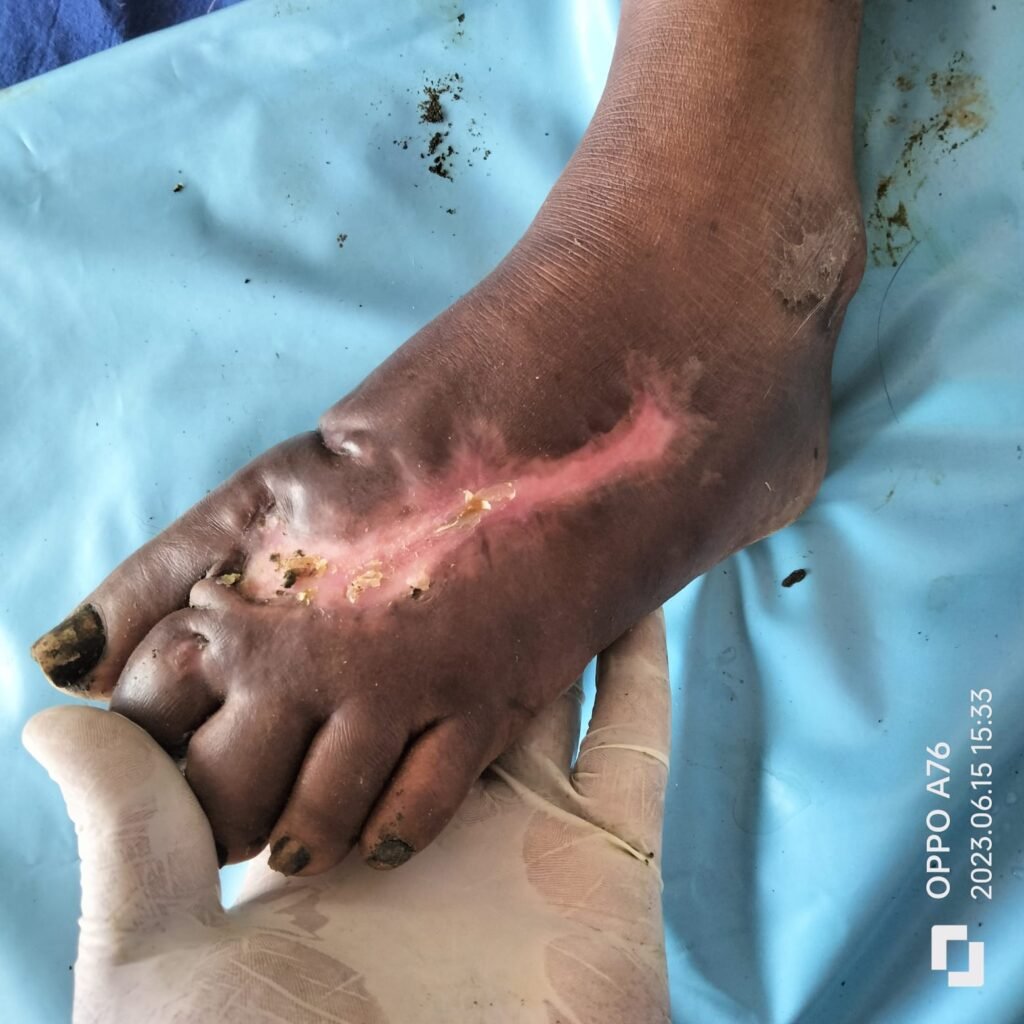
Weeks 10+
Stage 5: Functional Recovery & Limb Salvage
Wound substantially healed. Limb preserved. Improved ambulation and mobility. Patient independent in daily activities. Psychological confidence restored. Ongoing glycemic management continued.
Estimated Wound Healing Trajectory
| Treatment Week | Wound Severity (Relative %) | Key Clinical Observation |
| Week 0 (Admission) | 100% | Active infection; discharge; necrotic tissue; amputation risk |
| Week 2 | 85% | Infection beginning to reduce; swelling decreasing |
| Week 4 | 65% | Wound hygiene improved; discharge significantly reduced |
| Week 6 | 45% | Granulation tissue visible; wound depth decreasing |
| Week 8 | 28% | Active epithelialization; pain greatly reduced |
| Week 10 | 18% | Wound margins contracting; patient mobile |
| Week 12 | ~10% | Substantially healed; limb salvaged |
Discussion
The present case highlights the complexity of diabetic wound management and the potential role of Siddha medicine as an adjunctive or alternative therapeutic approach in carefully selected cases. Several pharmacological and physiological mechanisms likely underlie the observed improvements.
Proposed Mechanisms of Siddha Wound Healing
| Mechanism | Description |
| Antimicrobial activity | Siddha herbal applications reduce microbial bioburden and prevent secondary infection of the wound bed |
| Anti-inflammatory effects | Reduction of chronic wound inflammation enabling the tissue repair cascade to begin |
| Improved local circulation | Enhanced microvascular circulation increasing nutrient and oxygen delivery to ischaemic wound tissue |
| Tissue regeneration | Stimulation of granulation tissue and epithelialization via bioactive plant compounds |
| Glycemic support | Siddha anti-diabetic formulations contributing to glycemic regulation during the wound care period |
| Psychosocial restoration | Restoration of hope and confidence; reduced anxiety positively influencing the wound-healing milieu |
Of equal clinical importance is the psychosocial dimension. Research consistently demonstrates that anxiety, depression, and fear of amputation can negatively influence wound healing through neuroendocrine and immunological pathways. This patient’s psychological recovery — the restoration of hope, independence, and social participation — represents an outcome as clinically meaningful as wound closure itself.
Comparison: Conventional DFU Outcomes vs. Traditional Medicine Case Reports
| Outcome Dimension | Conventional Management | Siddha/Ayurvedic Case Reports |
| Healing rate | ~60% | ~78% (case reports) |
| Amputation prevention | ~55% | ~85% (case series) |
| Infection resolution | ~70% | ~80% (case series) |
| Patient satisfaction (reported) | ~55% | ~82% (case series) |
8. Future Research Directions
This case provides preliminary evidence warranting structured scientific investigation. The following research designs are recommended in order of priority:
Evidence Pyramid for Siddha DFU Research
| EVIDENCE PYRAMID Level 1 — Randomized Controlled Trials & Systematic Reviews ▲ BUILD TOWARD Level 2 — Multi-centre Registries & Comparative Effectiveness Studies ▲ BUILD TOWARD Level 3 — Prospective Case Series with Biomarker Analysis ▲ BUILD TOWARD Level 4 — Narrative Case Studies (Current Evidence Base) |
Pictorial Representation
Stage- 1
Conclusion
This case represents more than a medical recovery.
It is the story of a woman who stood at the threshold of amputation and chose another path.
Through Siddha-based wound management, meticulous care, and patient perseverance, a chronic diabetic foot ulcer that once threatened limb loss progressed toward healing and functional recovery.
While larger scientific studies are necessary to establish definitive efficacy, this case contributes valuable clinical evidence supporting further investigation into Siddha medicine’s role in diabetic wound care.
“Sometimes the greatest success in medicine is not simply saving a life—it is saving the life a person feared they would lose.”