
By Dr. Pazhaniyappan BSMS,
Published june 29, 2026
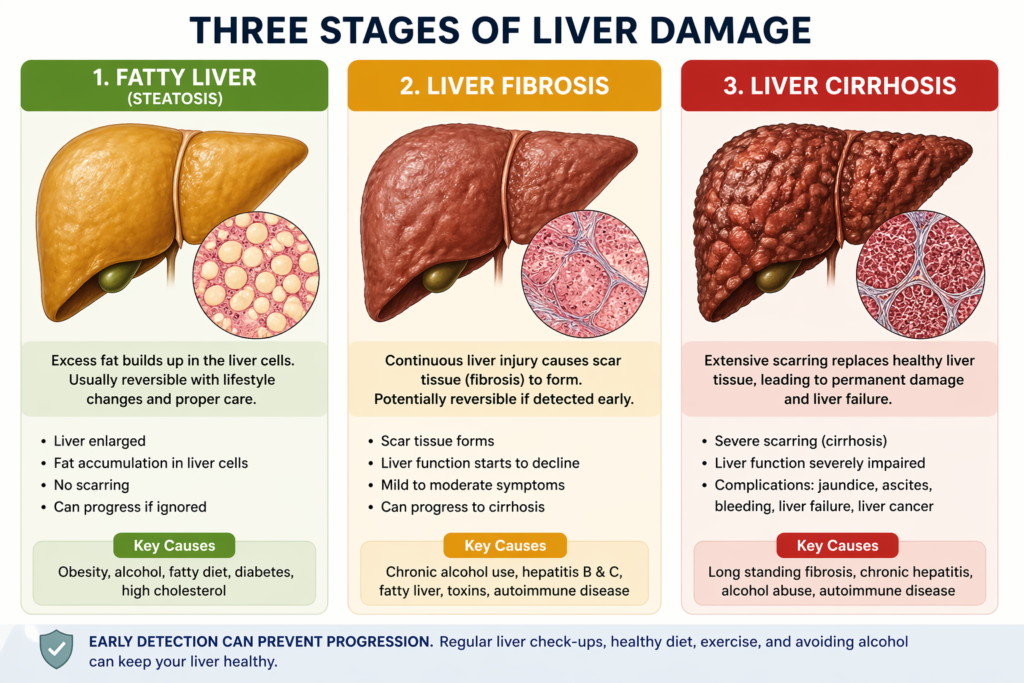
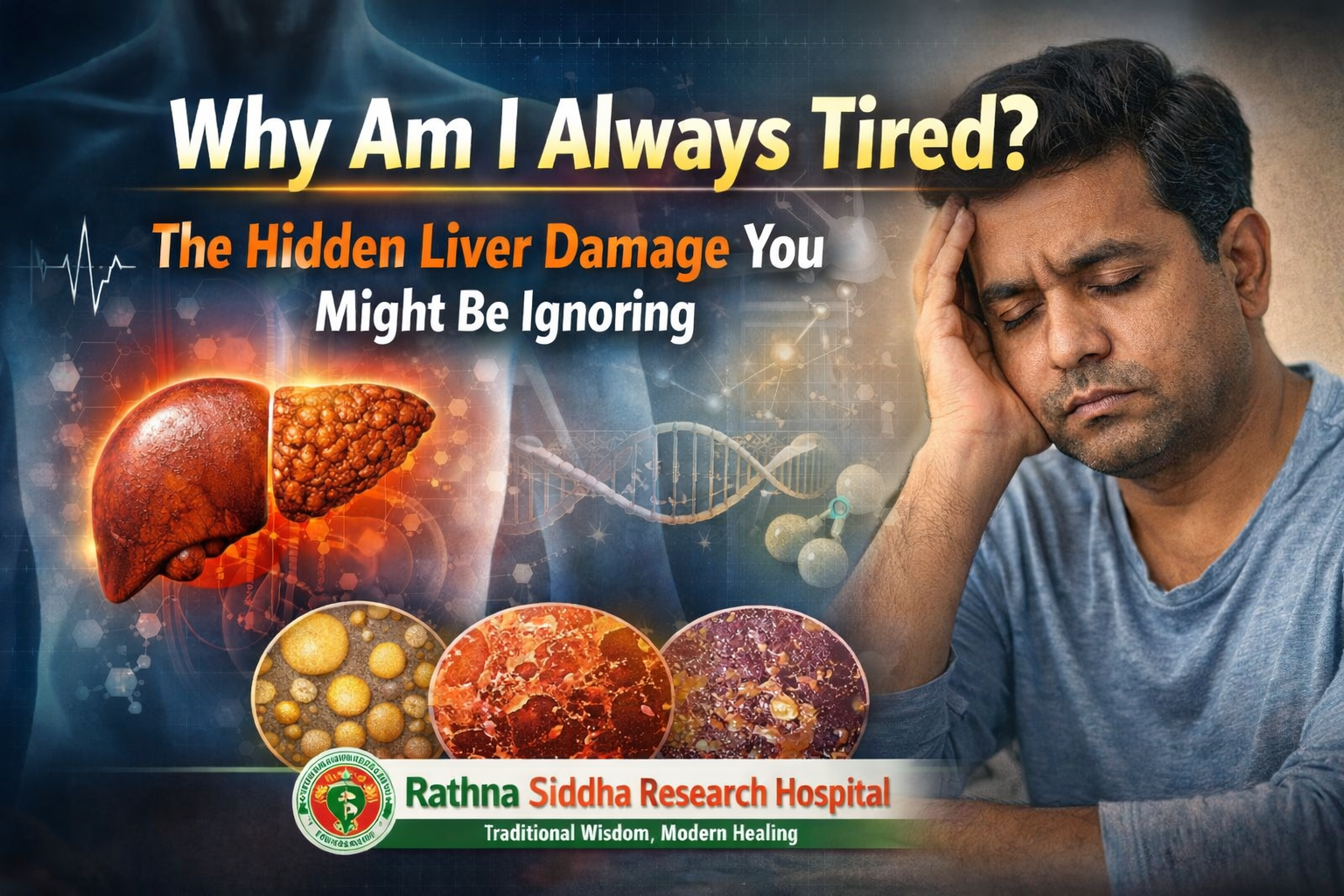
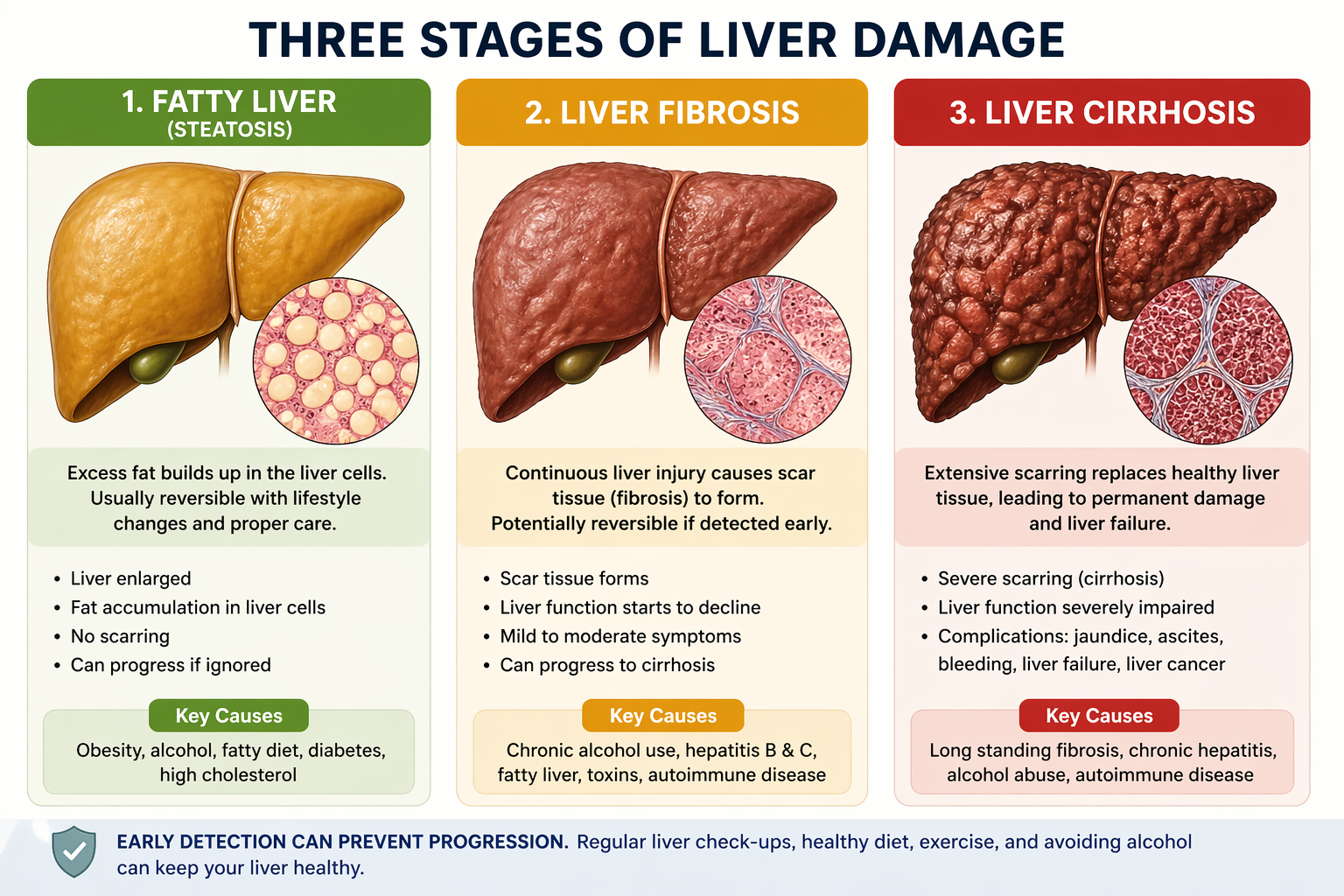
The liver is not just an organ—it is the body’s central “fire system” that controls digestion, blood purification, and energy balance. In modern medicine, this is evaluated through Liver Function Tests (LFTs). But in Siddha medicine, especially at Rathna Siddha Research Hospital, liver health is deeply connected to the balance of Pitham (Azhal), along with Vatham and Kabam.
When this balance is disturbed—due to wrong food habits, alcohol, stress, or toxins—the liver starts showing subtle signs first: tiredness, poor digestion, mild yellowing of eyes, body heat, or skin issues. This is where both modern diagnostics and Siddha wisdom come together.
A Real Patient Story from Rathna Siddha Research Hospital
A 42-year-old male patient came with complaints of:
- Constant fatigue
- Loss of appetite
- Mild abdominal heaviness
- Burning sensation in the body
- Occasional yellowish eyes
His blood report showed elevated ALT, AST, and bilirubin levels. In modern terms, this indicated fatty liver with early inflammation.
But from a Siddha perspective, this was clearly a Pitham aggravation disorder affecting the liver (Kalleral Azhal Noi).
Instead of only focusing on numbers, the treatment approach at Rathna Siddha Research Hospital focused on root cause correction.
Understanding Liver Function Tests – Siddha Interpretation
Modern LFT values are not just numbers. In Siddha, each reflects an internal imbalance:
- ALT & AST Increase → Liver heat rising (Azhal aggravation), indicating inflammation
- High Bilirubin → Impaired bile flow, leading to jaundice (Manjal Noi)
- Elevated ALP & GGT → Blockage in bile channels, often due to Kabam obstruction
- Low Albumin → Weak digestive fire (Agni), poor nutrient absorption
Instead of isolating these values, Siddha medicine reads them as a pattern of imbalance in Vatham, Pitham, and Kabam.
How Rathna Siddha Treatment Helps the Liver
At Rathna Siddha Research Hospital, treatment is not about suppressing symptoms—it is about restoring balance.
1. Pitham Regulation (Cooling the Liver Heat)
Herbal formulations are given to reduce excess internal heat and inflammation. This helps bring down elevated ALT, AST, and bilirubin naturally.
2. Liver Detoxification (Kalleral Suthi Seithal)
Special Siddha medicines help cleanse toxins accumulated in liver tissues. Unlike aggressive detox, this is gradual and safe.
3. Improving Digestive Fire (Agni Deepanam)
When digestion improves, liver load reduces. Patients notice better appetite, less bloating, and improved energy.
4. Bile Flow Correction
Herbal combinations help open blocked bile pathways, reducing jaundice and improving metabolism.
5. Varmam & External Therapies
In some patients, Varmam therapy is used to stimulate internal organ function and improve circulation to the liver.
What Makes This Approach Different
In many cases, patients come with “normal reports” but still feel unhealthy. Siddha medicine identifies these pre-disease conditions before they become serious.
At Rathna Siddha Research Hospital:
Wrapped in Banana Leaves
One of the therapies administered was Vazhai Ilai Kuliyal, or banana leaf bath.
Fresh banana leaves were used to wrap the body, creating controlled warmth and perspiration.
According to Siddha medicine, the therapy helps restore equilibrium among Vatham, Pitham, and Kabham.
Physiologically, heat retention and moisture preservation induce sweating and peripheral vasodilation. Increased circulation and relaxation may explain why patients frequently report improved sleep, reduced fatigue, and enhanced well-being.
Although modern evidence remains limited, practitioners regard the procedure as a supportive therapy rather than a stand-alone treatment.
Healing Through Bitter Leaves
Another component of therapy was Meethi Sigichai, involving medicinal leaves such as neem (Azadirachta indica) and bitter gourd (Momordica charantia).
Traditionally, the bitter nature of these plants is believed to reduce Kabha predominance and inflammatory manifestations.
Modern phytochemical research offers intriguing support.
Neem contains compounds with antioxidant, antimicrobial, anti-inflammatory, and immunomodulatory activities. Bitter gourd has attracted attention for its potential effects on glucose metabolism and oxidative stress.
Food Became Part of the Prescription
Perhaps the most profound intervention
On the eating plate.
The dietary regimen resembled what contemporary scientists might describe as a whole-food plant-based approach.
Barnyard millet (Kuthiraivali) supplied fiber and low glycemic carbohydrates.
Kodo millet (Varagu) provided resistant starch associated with improved insulin sensitivity.
Black rice (Karuppu Kavuni) offered anthocyanins and polyphenols with antioxidant properties.
Red rice delivered minerals and complex carbohydrates.
Legumes—including chickpeas, cowpeas, black gram, and Bengal gram—provided proteins and dietary fiber capable of supporting gut microbiota diversity.
Traditional greens such as Ponnanganni, Sirukeerai, Araikeerai, Manathakkali, and Vallarai supplied vitamins, carotenoids, and polyphenols known to combat oxidative stress.
Vegetables including drumstick, snake gourd, ridge gourd, bottle gourd, ash gourd, banana stem, and banana flower enriched the diet with bioactive compounds and fiber.
Fermented foods such as idli, dosa, and adai improved nutrient bioavailability and supported beneficial microorganisms in the gut.
Modern nutritional science increasingly recognizes that gut microbiota, inflammation, and metabolic diseases are inseparably linked.
Ancient food traditions had understood this relationship long before the microbiome became fashionable.
When Should You Be Concerned?
If you are experiencing:
- Constant tiredness without reason
- Yellowing of eyes or skin
- Digestive issues or loss of appetite
- History of alcohol use or fatty liver
- Abnormal liver test reports
It is time to look beyond temporary relief and address the root cause.
Frequently Asked Questions (FAQs)
Can Siddha treatment reduce elevated liver enzymes?
Yes. By reducing Pitham imbalance and detoxifying the liver, Siddha medicines help normalize ALT and AST levels gradually.
Is fatty liver reversible in Siddha?
In early and moderate stages, fatty liver can be effectively reversed with proper medicines, diet control, and lifestyle correction.
How long does Siddha liver treatment take?
It depends on severity. Mild conditions may improve within weeks, while chronic liver disease requires longer, consistent care.
Can I take Siddha treatment along with modern medicine?
Yes, but it should be done under expert supervision to avoid interactions.
Will diet play a role in recovery?
Diet is crucial. Without proper Pathiyam, liver recovery will be slow, even with medicines.
Conclusion
Liver Function Tests tell you what is happening, but Siddha medicine explains why it is happening.
At Rathna Siddha Research Hospital, the focus is not just on correcting reports—but on restoring your body’s natural balance, improving liver strength, and preventing future disease.
If your liver is silently struggling, now is the time to act—not later.
For detailed consultation and personalized Siddha treatment, contact Rathna Siddha Research Hospital.
Siddhar Thanikasalam
Chief Siddha Physician
Rathna Siddha Hospital
No. 8/18, 23rd Street, Jai Nagar, Arumbakkam, Chennai – 600106, India
Phone: +91 9962812345, 9092888888