
By Dr. Pazhaniyappan BSMS,
Published June 29, 2026
Liver cancer is one of the fastest-growing causes of cancer-related deaths worldwide. Among all primary liver cancers, Hepatocellular Carcinoma (HCC) accounts for nearly 90% of diagnosed cases. In India, the incidence of HCC has increased steadily over the past two decades because of the rising prevalence of chronic hepatitis B, hepatitis C, metabolic dysfunction-associated steatotic liver disease (MASLD), diabetes mellitus, obesity, and alcohol-related liver disease. Since the early stages of HCC are often asymptomatic, many patients seek medical attention only after the disease has progressed, limiting opportunities for curative treatment.
Modern oncology has significantly improved the management of HCC through early surveillance, advanced imaging, liver transplantation, surgical resection, locoregional therapies, targeted therapy, and immunotherapy. Alongside these evidence-based treatments, traditional medical systems such as Siddha continue to receive scientific attention for their potential supportive role in chronic liver diseases. Experimental studies have demonstrated hepatoprotective, antioxidant, anti-inflammatory, and immunomodulatory properties in several medicinal plants described in Siddha literature. Although these findings are encouraging, Siddha medicine should currently be regarded as an integrative supportive approach rather than a replacement for established oncological treatment.
What Is Hepatocellular Carcinoma?
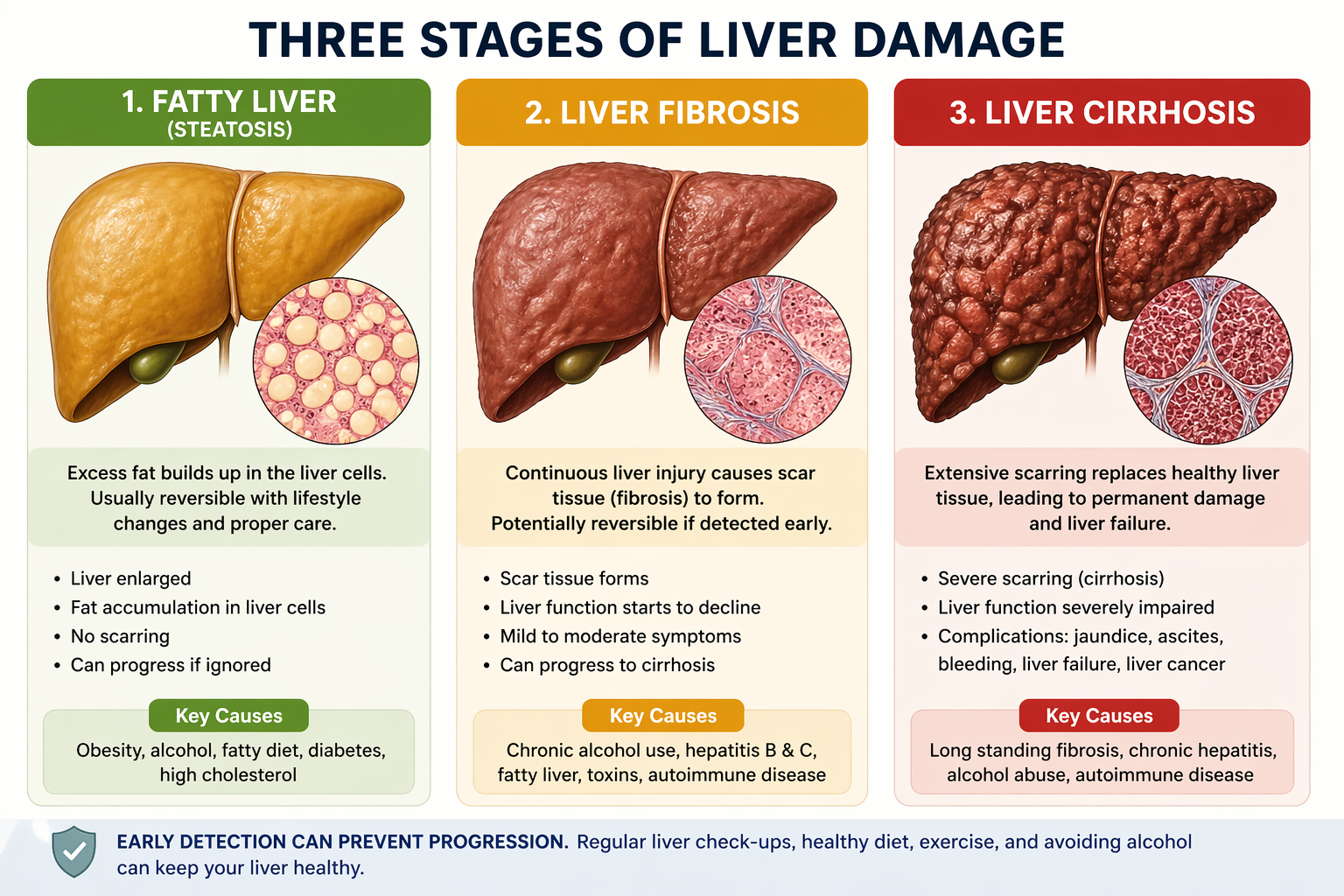
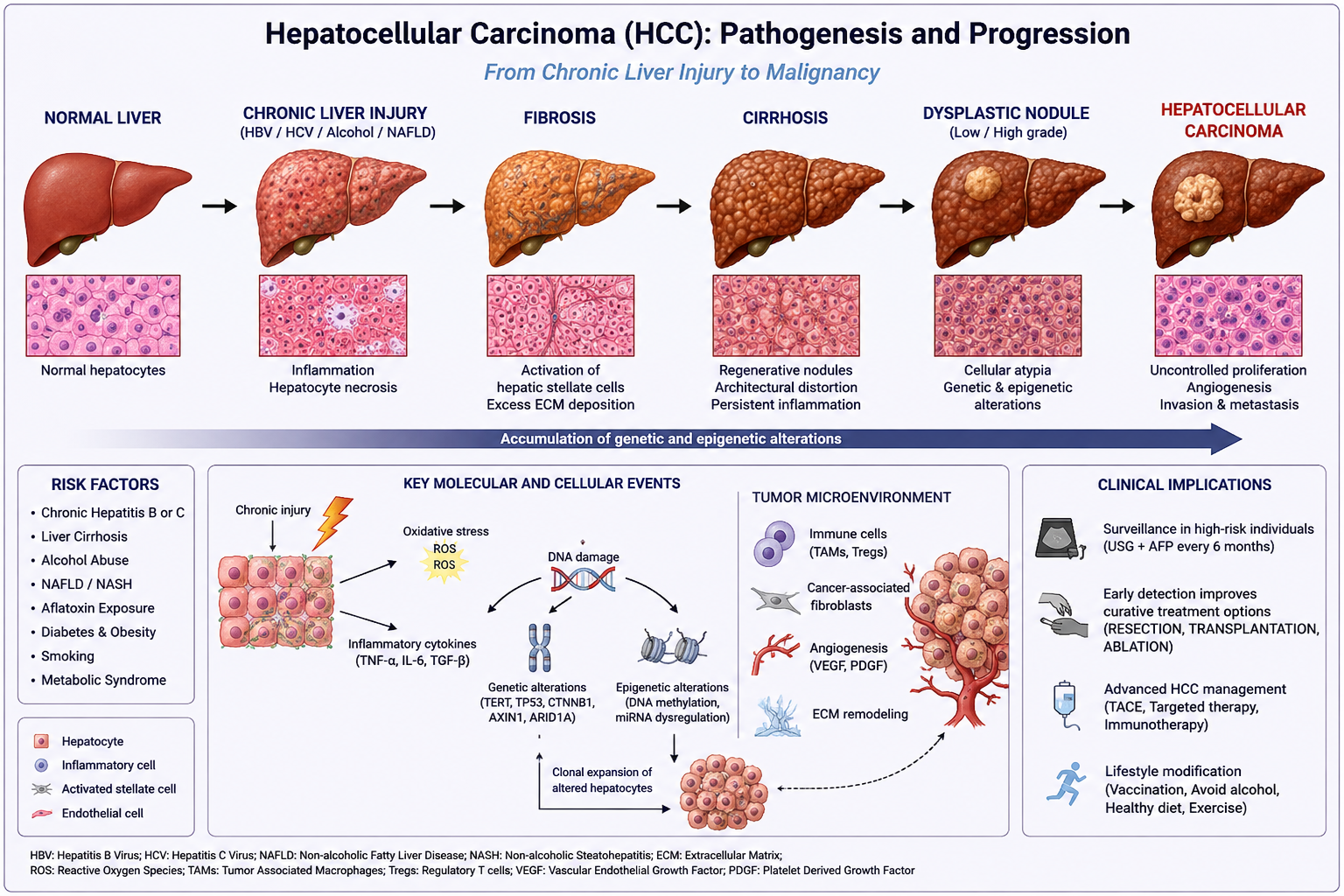
Hepatocellular carcinoma is a primary malignant tumor that originates from hepatocytes, the principal functional cells of the liver. Unlike metastatic liver tumors that spread from other organs, HCC develops within the liver itself, usually after years of chronic inflammation and progressive hepatic injury. Continuous damage caused by viral infections, metabolic disorders, toxins, or cirrhosis gradually alters the normal architecture of the liver, allowing abnormal hepatocytes to acquire genetic mutations that promote uncontrolled cellular proliferation.
The liver performs more than 500 essential physiological functions, including carbohydrate metabolism, protein synthesis, detoxification, bile production, regulation of blood clotting factors, hormone metabolism, and immune surveillance. As HCC progresses, these vital functions become increasingly compromised, resulting in systemic metabolic disturbances and progressive liver failure if left untreated.
Why Does Hepatocellular Carcinoma Develop?
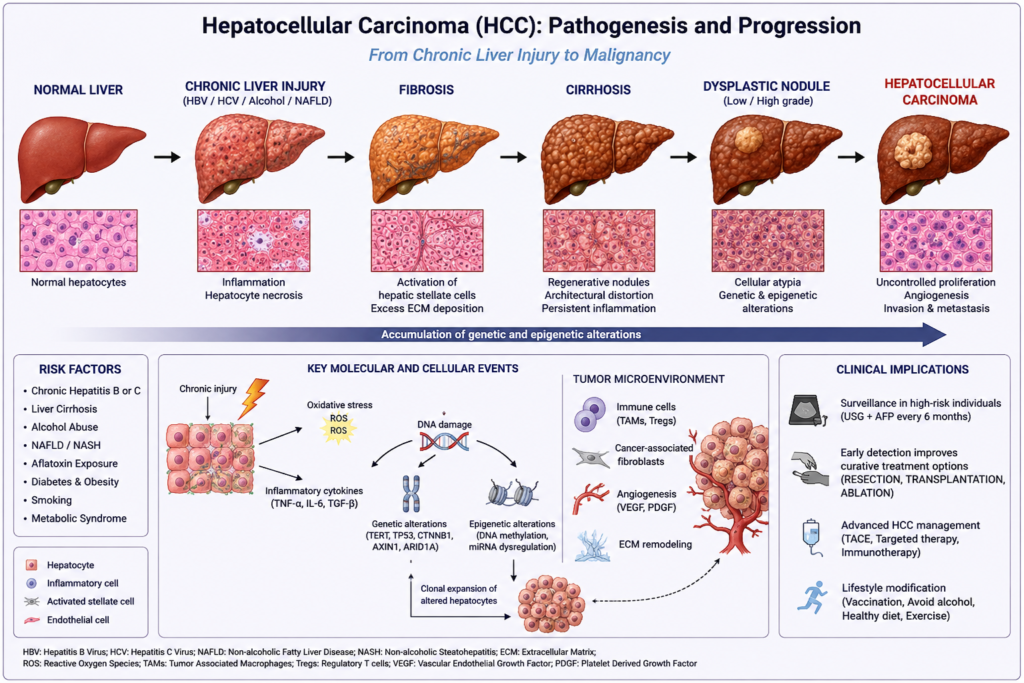
The development of HCC is a multistep biological process rather than a sudden event. Persistent inflammation stimulates oxidative stress, cytokine activation, fibrosis, and repeated cycles of hepatocyte destruction and regeneration. Over several years, these pathological processes produce genetic instability, angiogenesis, and malignant transformation.
The most important risk factors include chronic hepatitis B virus infection, hepatitis C virus infection, liver cirrhosis, metabolic dysfunction-associated steatotic liver disease (MASLD), excessive alcohol consumption, obesity, diabetes mellitus, hereditary metabolic disorders, and exposure to aflatoxins. The increasing prevalence of obesity and type 2 diabetes has made MASLD one of the fastest-growing causes of HCC worldwide.
Understanding HCC Through Siddha Medicine
Although classical Siddha texts do not describe hepatocellular carcinoma using modern oncological terminology, chronic liver disorders are extensively discussed through the principles of Noi Naadal, Noi Mudhal Naadal, Uyir Thathukkal, Udal Thathukkal, Mukkutram, and Envagai Thervu. Siddha medicine considers the liver to be one of the principal organs responsible for maintaining metabolic balance, healthy blood formation, digestion, and tissue nourishment. Disturbances affecting these physiological processes eventually impair multiple body systems rather than a single organ.
According to Siddha physiology, proper digestion depends upon the balanced function of Anal Pitham, which governs the transformation of food into Saaram, the first of the seven Udal Thathukkal. Healthy Saaram sequentially nourishes Senneer (blood), Oon (muscle), Kozhuppu (adipose tissue), Enbu (bone), Moolai (marrow and nervous tissue), and finally Sukkilam or Suronitham, the reproductive tissue. Chronic hepatic dysfunction interrupts this sequential nourishment, resulting in progressive depletion of tissue strength, loss of body weight, fatigue, poor appetite, muscle wasting, edema, and generalized weakness—clinical features that frequently accompany advanced liver disease.
The Siddha concept of Mukkutram extends beyond a simple imbalance of Vatham, Azhal, and Kabam. In chronic liver disorders, impaired Anal Pitham alters digestion and metabolism, defective Senneer formation compromises the quality of blood, while deranged Kabam contributes to abnormal tissue accumulation and stagnation. Progressive involvement of Vatham manifests as pain, emaciation, weakness, and deterioration of normal physiological functions. This sequential pathological progression described in Siddha literature conceptually parallels modern understanding of chronic inflammation, fibrosis, metabolic dysfunction, and tissue degeneration observed during the evolution of hepatocellular carcinoma.
Classical Siddha physicians evaluate these pathological changes through Envagai Thervu, which includes Naadi, Sparisam, Naa, Niram, Mozhi, Vizhi, Malam, and Moothiram. Particular emphasis is placed on Naadi examination, Neerkuri, and Neikuri, as these assessments provide valuable information regarding humoral predominance, digestive efficiency, tissue strength, and disease progression. Rather than focusing solely on the liver, Siddha diagnosis evaluates the patient’s constitutional status, digestive capacity, metabolic reserve, and functional integrity of the entire body before planning individualized treatment.
Signs and Symptoms
Early hepatocellular carcinoma may remain clinically silent for several months or years. As the disease progresses, patients commonly experience persistent fatigue, unexplained weight loss, poor appetite, abdominal discomfort, nausea, jaundice, abdominal distension due to ascites, hepatomegaly, and generalized weakness. Patients with underlying cirrhosis may additionally develop portal hypertension, gastrointestinal bleeding, hepatic encephalopathy, and lower limb edema. Since these symptoms often appear late, regular surveillance among high-risk individuals is essential for early detection.
How Is Hepatocellular Carcinoma Diagnosed?
Diagnosis requires careful correlation of clinical examination, laboratory investigations, and advanced imaging. Serum alpha-fetoprotein (AFP) remains the most widely used tumor marker, although it should always be interpreted together with radiological findings. Ultrasonography serves as the primary surveillance tool for high-risk individuals, while contrast-enhanced multiphasic CT and MRI provide detailed evaluation of tumor size, vascular invasion, and disease staging. Histopathological examination is reserved for selected patients when imaging findings are inconclusive.
From a Siddha perspective, diagnosis extends beyond identification of the anatomical lesion. Assessment of Naadi, Uyir Thathukkal, Udal Thathukkal, Mukkutra Nilai, digestive capacity, and constitutional strength provides additional information that guides individualized supportive management and dietary planning.
Integrative Siddha Supportive Care
At Rathna Siddha Hospital, integrative Siddha management is based on classical diagnostic principles together with contemporary clinical evaluation. Individualized herbal formulations, dietary regulation (Pathiyam), lifestyle modification, and periodic clinical monitoring are selected according to the patient’s constitutional status and overall health. The objectives of supportive Siddha care include maintaining digestive function, supporting nutritional status, improving appetite, reducing fatigue, promoting physiological balance, and enhancing quality of life during the course of treatment.
Experimental research has demonstrated hepatoprotective and antioxidant activities in several medicinal plants traditionally employed in Siddha medicine, including Phyllanthus amarus, Andrographis paniculata, Tinospora cordifolia, Curcuma longa, Emblica officinalis, and Terminalia chebula. These findings provide a scientific rationale for continued investigation; however, further well-designed clinical trials are required to establish their efficacy and safety in patients with hepatocellular carcinoma.
Prevention
The majority of HCC cases develop in individuals with identifiable risk factors. Vaccination against hepatitis B, early treatment of chronic viral hepatitis, maintenance of a healthy body weight, regular physical activity, diabetes control, avoidance of excessive alcohol consumption, and periodic liver screening among high-risk populations remain the most effective preventive strategies. Early diagnosis continues to offer the greatest opportunity for curative treatment and improved long-term survival.
About the Physician
Siddhar Thanikasalam
Chief Siddha Physician
Rathna Siddha Hospital
No. 8/18, 23rd Street, Jai Nagar, Arumbakkam, Chennai – 600106, India
Phone: +91 9962812345
References
- European Association for the Study of the Liver (EASL). Clinical Practice Guidelines: Management of Hepatocellular Carcinoma.
- American Association for the Study of Liver Diseases (AASLD). Practice Guidance on Prevention, Diagnosis and Treatment of Hepatocellular Carcinoma.
- Sung H, Ferlay J, Siegel RL, et al. Global Cancer Statistics. CA Cancer J Clin.
- Llovet JM, Kelley RK, Villanueva A, et al. Hepatocellular carcinoma. Nature Reviews Disease Primers. 2021.
- Uthamarayan KS. Siddha Maruthuvanga Churukkam. Directorate of Indian Medicine and Homoeopathy, Chennai.
- Yugi Munivar. Yugi Vaithiya Chinthamani.
- Theraiyar. Theraiyar Yemaga Venba.
- Agathiyar. Agathiyar Gunavagadam.