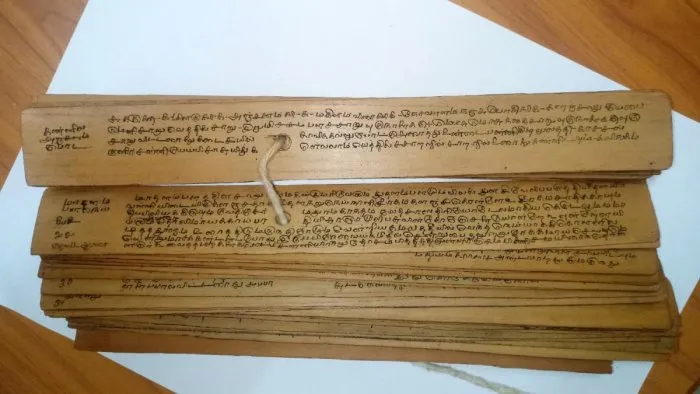


When Critical Care Meets Tradition
An ICU Case That Challenges How We Think About Recovery
Chennai | February 2015
On the evening of 13 February 2015, a woman in her mid-seventies slipped in the bathroom of her family home in Chennai. The fall resulted in a fracture of the femur and ankle, injuries common in the elderly and usually managed successfully with surgery. What followed, however, was not routine.
Within a week, the patient would develop acute kidney injury and severe liver dysfunction while in the Intensive Care Unit (ICU)—and would later recover under circumstances that continue to raise questions about the role of traditional medicine in modern critical care.
A Routine Operation-That Wasn’t
After admission to a nearby orthopedic hospital, imaging confirmed the fractures. Initial blood tests were acceptable, and surgery was performed on 14 February. Two days later, a follow-up X-ray revealed improper fixation of the blade screw. A revision surgery was performed on 16 February, and the patient was transferred to the ICU for monitoring.
At first, recovery appeared uneventful. Then subtle changes began to appear.
On 17 February, facial swelling was noted. Blood investigations showed rising renal markers:
- Blood urea: 53 mg/dL
- Serum creatinine: 1.9 mg/dL
Both values exceeded normal limits, indicating early kidney dysfunction. Senior orthopedic consultant Prof. Dr. R. H. Govardhan recommended nephrology consultation, and the patient remained under intensive care.
Why Elderly Patients Are Vulnerable After Surgery
Critical Care Perspective
Elderly patients have reduced physiological reserve. Surgery, anesthesia, blood loss, dehydration, infections, and certain medications can collectively stress organs—especially the kidneys. What begins as mild dysfunction can escalate quickly without clear warning signs.
When Treatment Follows Protocol—But the Body Declines
Standard nephrology measures were initiated: fluid restriction, intravenous glucose, careful monitoring of urine output, and review of medications. Despite these steps, the patient’s condition worsened.
By 18 February, blood tests showed progression:
- Blood urea: 68 mg/dL
- Creatinine: 2.9 mg/dL
- Serum sodium: 129 mmol/L
The treating team noted that drug-induced kidney injury could not be ruled out.
Over the next two days, the situation became critical. Laboratory results revealed not only kidney failure, but significant liver damage:
- Blood urea: 104 mg/dL
- Creatinine: 3.9 mg/dL
- SGOT: 323 IU/L
- SGPT: 430 IU/L
- Total bilirubin: 7.8 mg/dL
Clinically, the patient developed abdominal distension, fluid leakage, confusion, and fluctuating consciousness—signs of multi-organ dysfunction.
Why Kidney and Liver Failure Together Is So Serious
Nephrology Perspective
The kidneys and liver work together to detoxify the body. When both fail simultaneously, toxic metabolites accumulate rapidly. Drug dosing becomes risky, and treatment options narrow. In elderly ICU patients, recovery is uncertain and often slow.
A Decision Outside the Standard Playbook
As the patient’s condition deteriorated, her family faced limited options. One family member was a trained Siddha traditional medicine practitioner. The family requested permission to administer a Siddha herbal formulation known as Amrit Sanjeevani, traditionally used in renal and hepatic disorders.
The request was reviewed by hospital authorities. After discussion, permission was granted following written informed consent, with responsibility placed on the patient’s attendants. No new allopathic medications were added during this period.
EXPERT BOX 3: What Is Siddha Medicine?
Traditional Medicine Research Perspective
Siddha medicine is a classical South Indian medical system with detailed descriptions of organ function, metabolism, and herbal formulations. While widely practiced, many Siddha treatments remain under-researched by modern clinical standards, creating a gap between use and evidence.
A Shift in Clinical Trends
Siddha therapy was initiated on 22 February 2015. Over the next 48 hours, clinicians observed changes:
- Reduction in abdominal discomfort
- Improved urine output and color
- No further vomiting
Laboratory values began to stabilize and then improve:
- 23 Feb: Urea 96 mg/dL, Creatinine 3.3 mg/dL
- 24 Feb: Urea 78 mg/dL, Creatinine 3.2 mg/dL
- 25 Feb: Urea 70 mg/dL, Creatinine 1.9 mg/dL
After two sessions, herbal therapy was discontinued.
EXPERT BOX 4: Correlation Is Not Proof—but It Is a Signal
Clinical Epidemiology Perspective
Single cases cannot prove efficacy. However, recovery following continued deterioration warrants investigation. Such cases highlight the importance of controlled studies rather than dismissal or uncritical acceptance.
Discharge and Follow-Up
The patient was discharged on 26 February 2015. In the discharge summary, Prof. Dr. R. H. Govardhan documented that the patient had developed kidney and liver failure during hospitalization and that improvement followed herbal juice treatment.
Follow-up tests on 4 March 2015 showed near-normal values:
- Blood urea: 42 mg/dL
- Creatinine: 1.1 mg/dL
- Liver function: Within normal limits
The patient was advised to continue supportive care.
What This Case Leaves Us Asking
This case does not claim that traditional medicine replaces modern critical care. It does, however, highlight an important reality: patients do not experience healthcare in silos.
For science readers, the real question is not whether Siddha medicine “works” or “doesn’t,” but whether such systems should be systematically studied, ethically integrated, and scientifically evaluated—especially in complex cases where conventional treatment alone reaches its limits.
The ICU saved this patient’s life.
But her recovery invites a broader conversation about how many paths to healing modern science is willing to explore.